
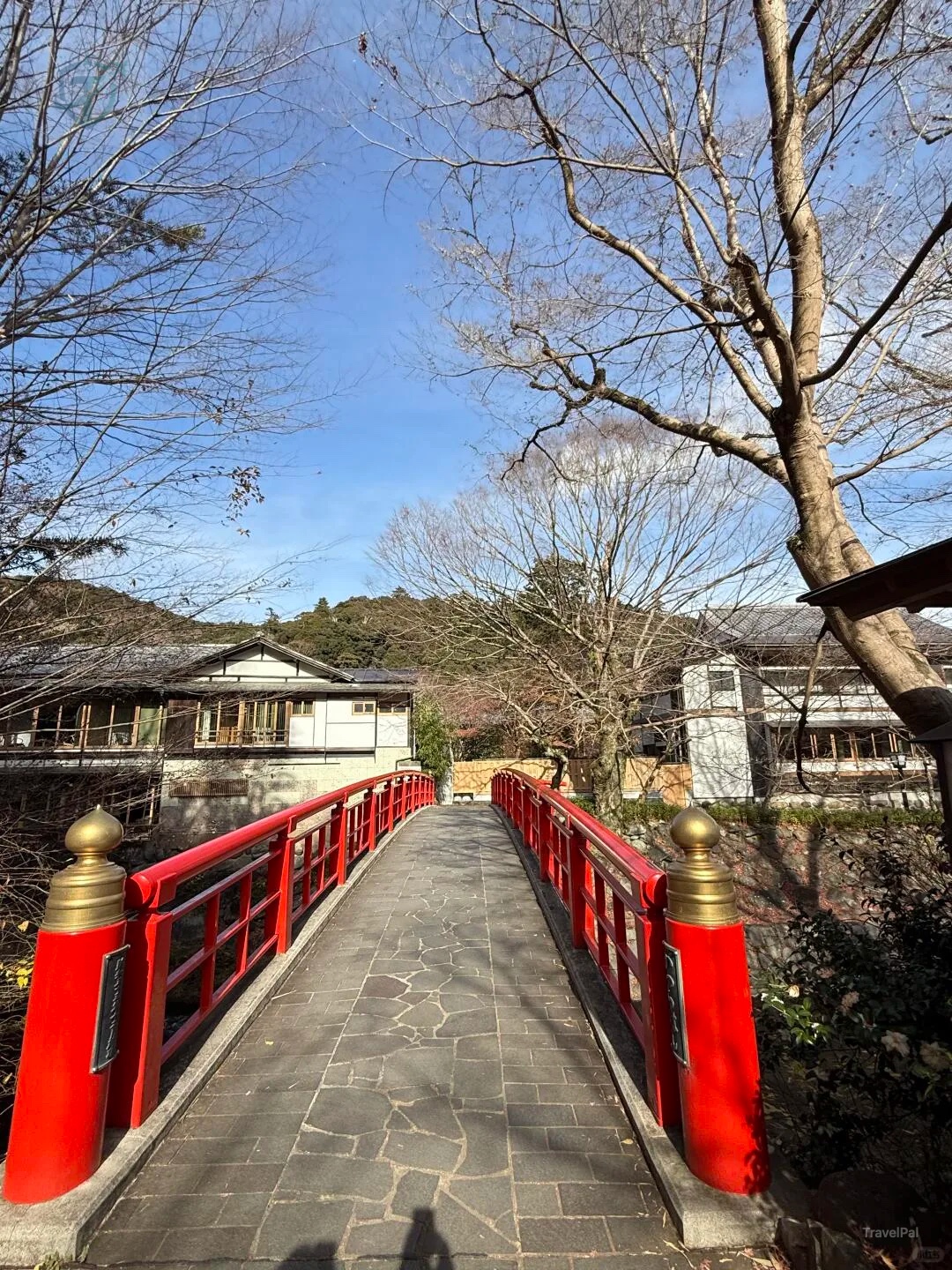
The town: meaningful history, small-scale sights
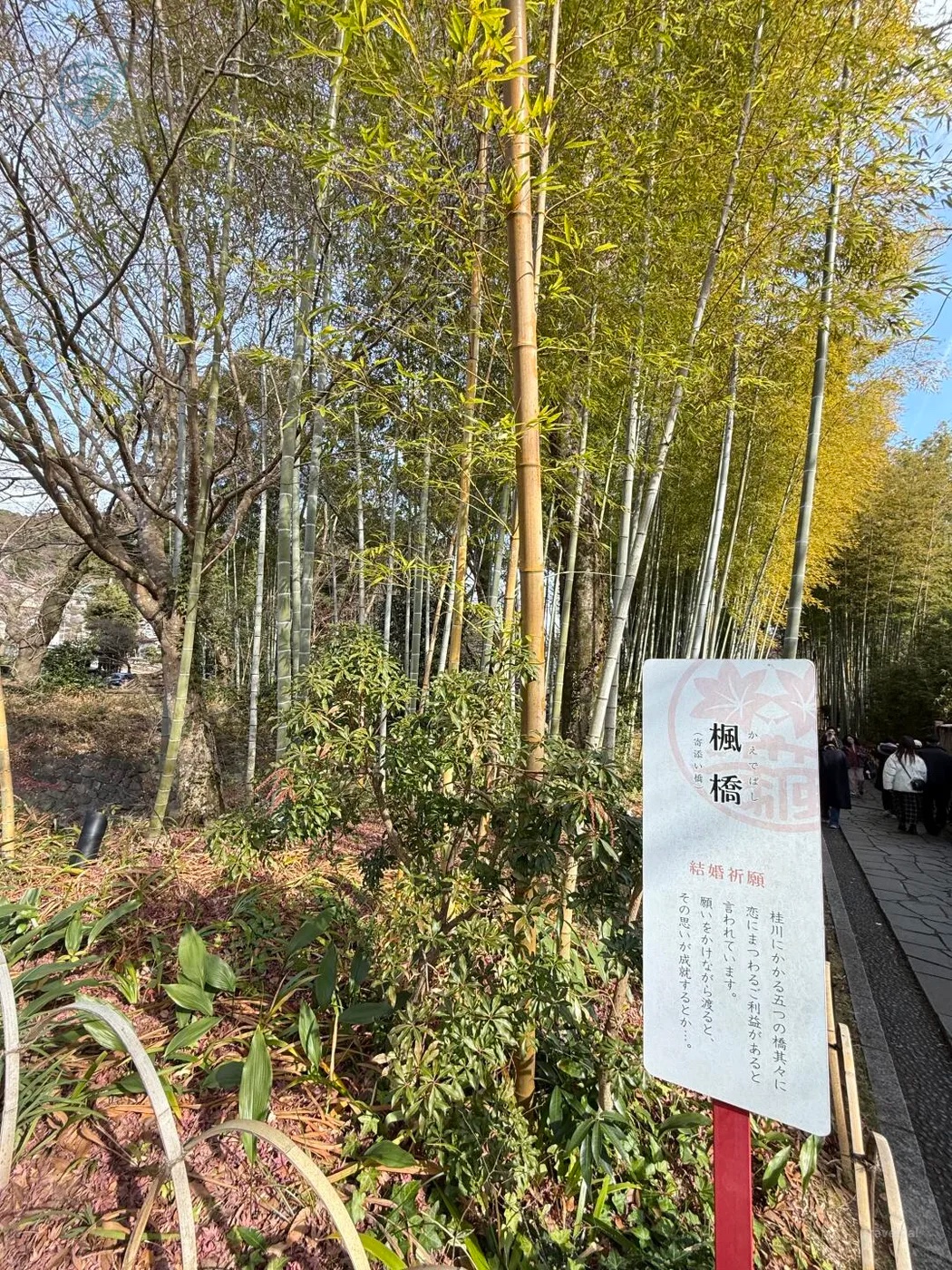
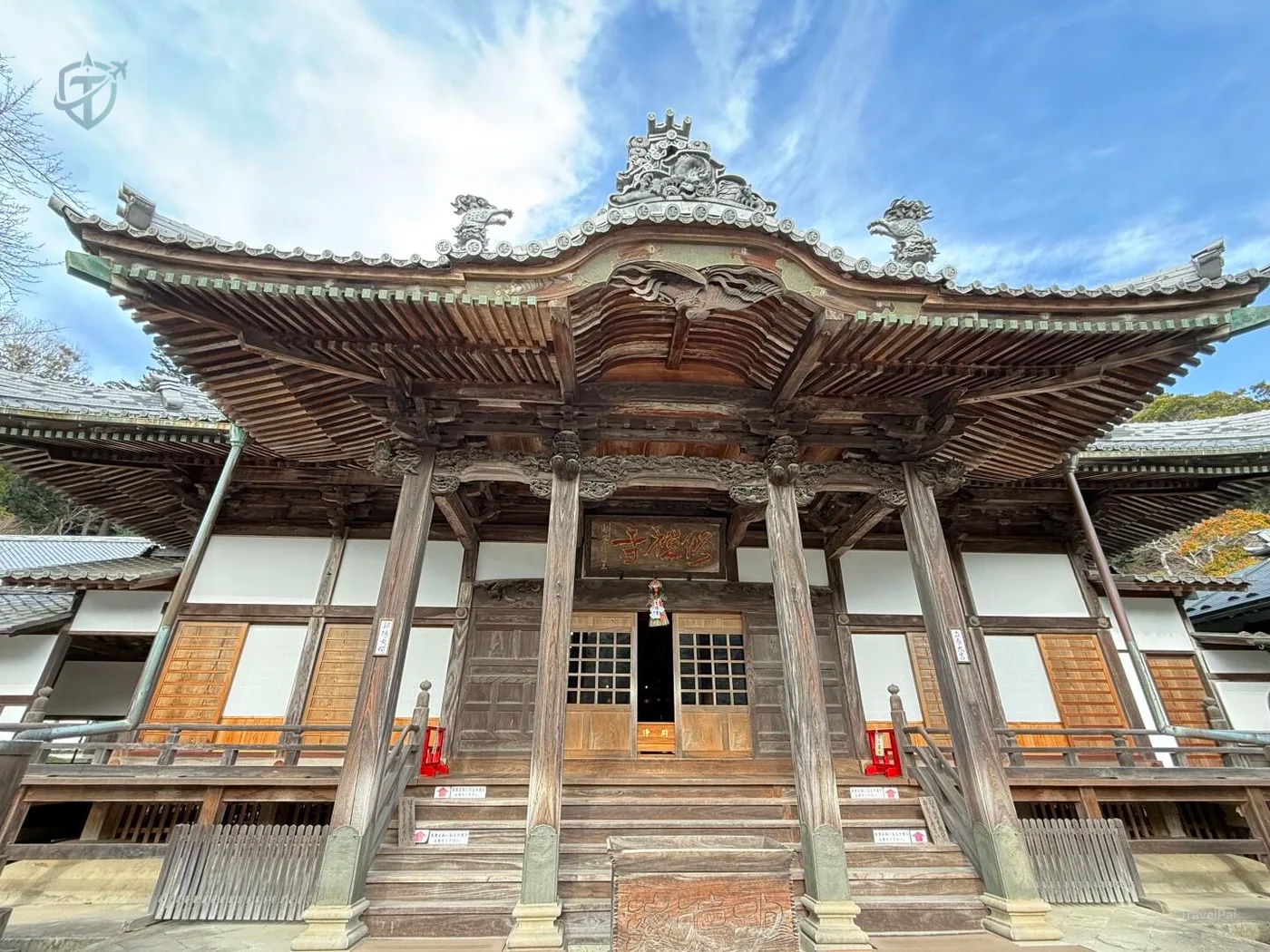
Shuzenji Temple, the grave of shogun Minamoto no Yoriie, the short bamboo path, and the river’s hot-spring history reward travelers who arrive with context. None is monumental. The bamboo path takes minutes, and Tokko-no-yu is a historical landmark rather than a modern bathing facility.
Asaba: hospitality over activity
Asaba traces its lodging history to 1484 and centers the property on Gekkeiden, a Noh stage moved from Tokyo in the late Meiji period. Performances are scheduled cultural events, not nightly entertainment. The property’s continuously flowing Shuzenji hot-spring baths, pond, gardens, and salon support deliberate inactivity.
What worked
- Service anticipated preferences without becoming theatrical.
- Kaiseki used fresh ingredients with subtle progression rather than heavy seasoning.
- The baths and quiet grounds made slowing down effortless.
- Rooms facing the pond or Noh stage create a much stronger sense of place.
Who should skip it
Do not pay for Asaba expecting a resort activity schedule, nightlife, or a list of attractions. Some rooms restrict young children, and the official room terms should be checked carefully. It works for travelers who consider bathing, eating, reading, and watching light change across a pond to be the itinerary.
This is an independent firsthand review. Room rules, baths, meals, performance schedules, transport, and rates change. Asaba facts were checked July 16, 2026.