
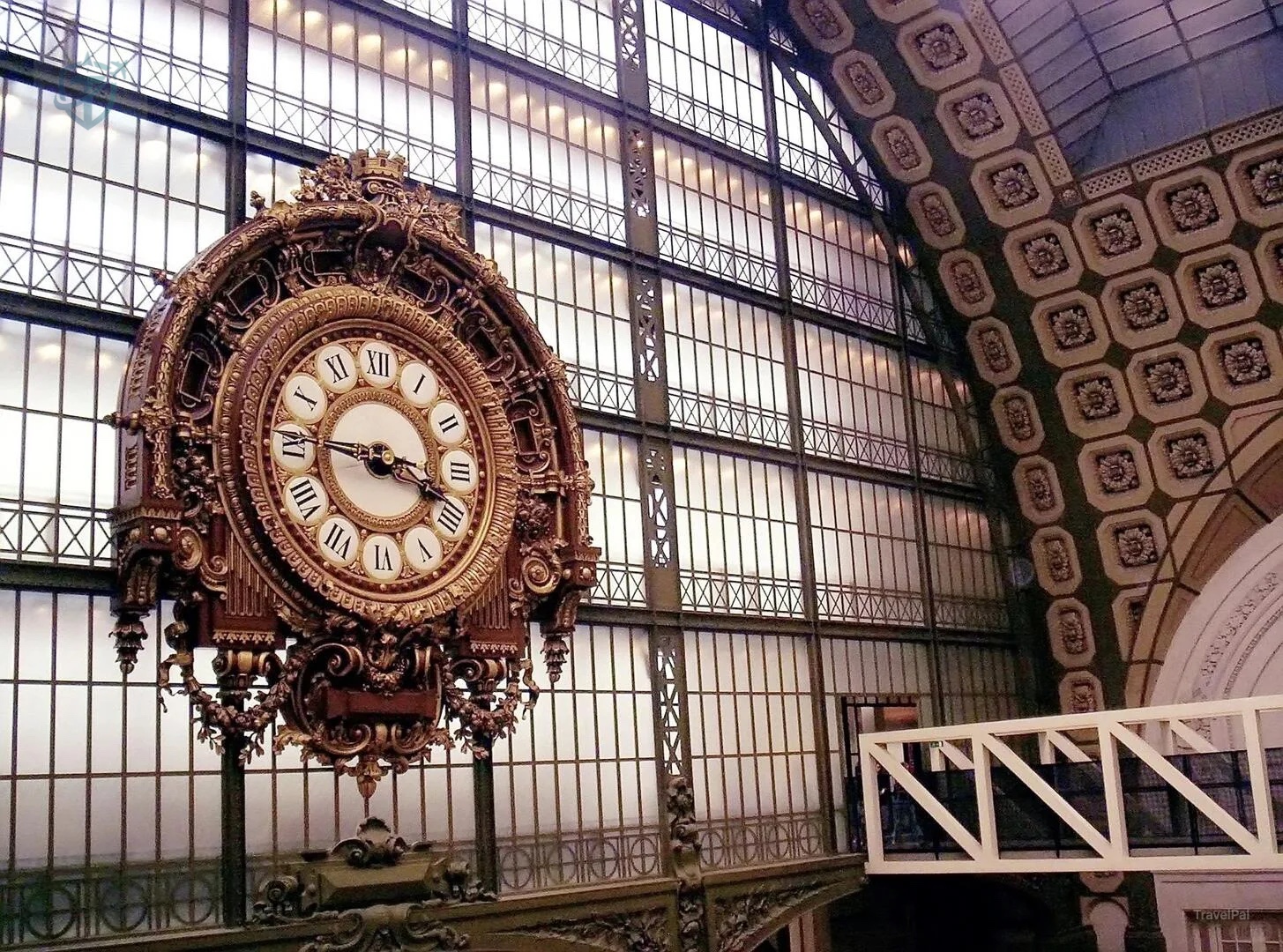
A route that follows ideas, not a checklist
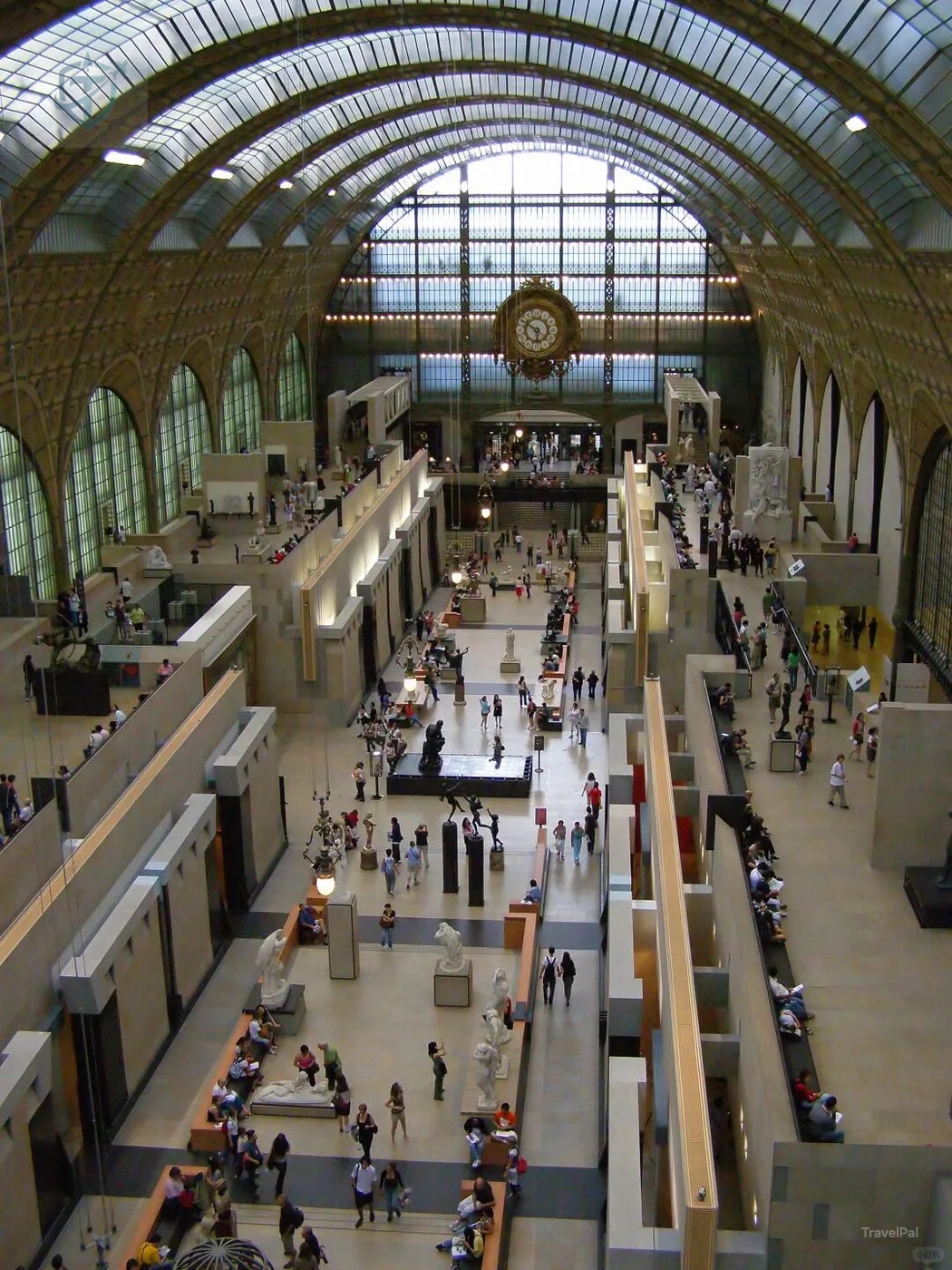
Begin with the lower-level Realist and pre-Impressionist galleries, then move through Manet and Degas before climbing toward the Impressionists and Post-Impressionists. End with the clocks and the view across the Seine. Gallery arrangements change, so use the official downloadable map on the day rather than memorizing room numbers.
| Time | Focus | Artists and works |
|---|---|---|
| 35–45 min | Realism and modern life | Courbet, Manet, Tissot, Whistler |
| 60–75 min | Impressionism | Monet, Degas, Morisot, Caillebotte |
| 40–50 min | Post-Impressionism | Van Gogh, Cézanne, Seurat |
| 20–30 min | Sculpture and building | Rodin, Pompon, nave, clocks |
Choose works that make the collection connect
Manet’s Luncheon on the Grass is useful early because its quotation of older art and its startlingly contemporary figures explain why modern painting was disruptive. Nearby, Whistler’s portrait of his mother turns restraint into an almost abstract arrangement, while Courbet insists on the scale and seriousness of ordinary life.
For Impressionism, resist collecting famous names. Compare Monet’s changing atmosphere with Degas’s more constructed scenes of cafés, dancers, and private tension. Place Berthe Morisot and Gustave Caillebotte inside that conversation rather than treating them as footnotes.
Then slow down for Cézanne’s structural brushwork, Seurat’s controlled surface, and Van Gogh’s compressed color and rhythm. Paintings can be loaned, conserved, or rehung; no guide can promise that every favorite will be present.
How to avoid turning the visit into a crowd exercise
- Reserve the first available slot or use Thursday evening for more breathing room.
- Pick eight to twelve priority works, not thirty.
- Use the café or terrace as a real break if you stay longer than two hours.
- Do not build the entire visit around one painting; loans and gallery changes are normal.
- If the museum is your main Paris art day, pair it with the nearby Orangerie only if your attention still feels fresh.
Current hours, admission, and renovation
| Monday | Closed |
|---|---|
| Tuesday and Wednesday | 9:30 a.m.–6:00 p.m.; current official page lists last museum admission at 5:00 p.m. |
| Thursday | 9:30 a.m.–9:45 p.m.; last admission at 9:00 p.m. |
| Friday–Sunday | 9:30 a.m.–6:00 p.m. |
| General admission | €16 online or €14 at the museum as listed in July 2026 |
| Transit | Métro 12 to Solférino or RER C to Musée d’Orsay |
The museum is renovating public areas from March 2026 through summer 2028. Book online, arrive at least 15 minutes before the slot, and follow the entrance printed on the ticket. Paris Museum Pass visitors need the applicable timed reservation.
For another focused art day, use our two-to-three-hour Louvre route. For a longer city plan, see the 10-day Paris itinerary.
Hours, prices, entrances, gallery locations, loans, and renovation access change. Details were checked against the official Musée d’Orsay website on July 16, 2026.