
The itinerary at a glance
| Day | Area | Main plan |
|---|---|---|
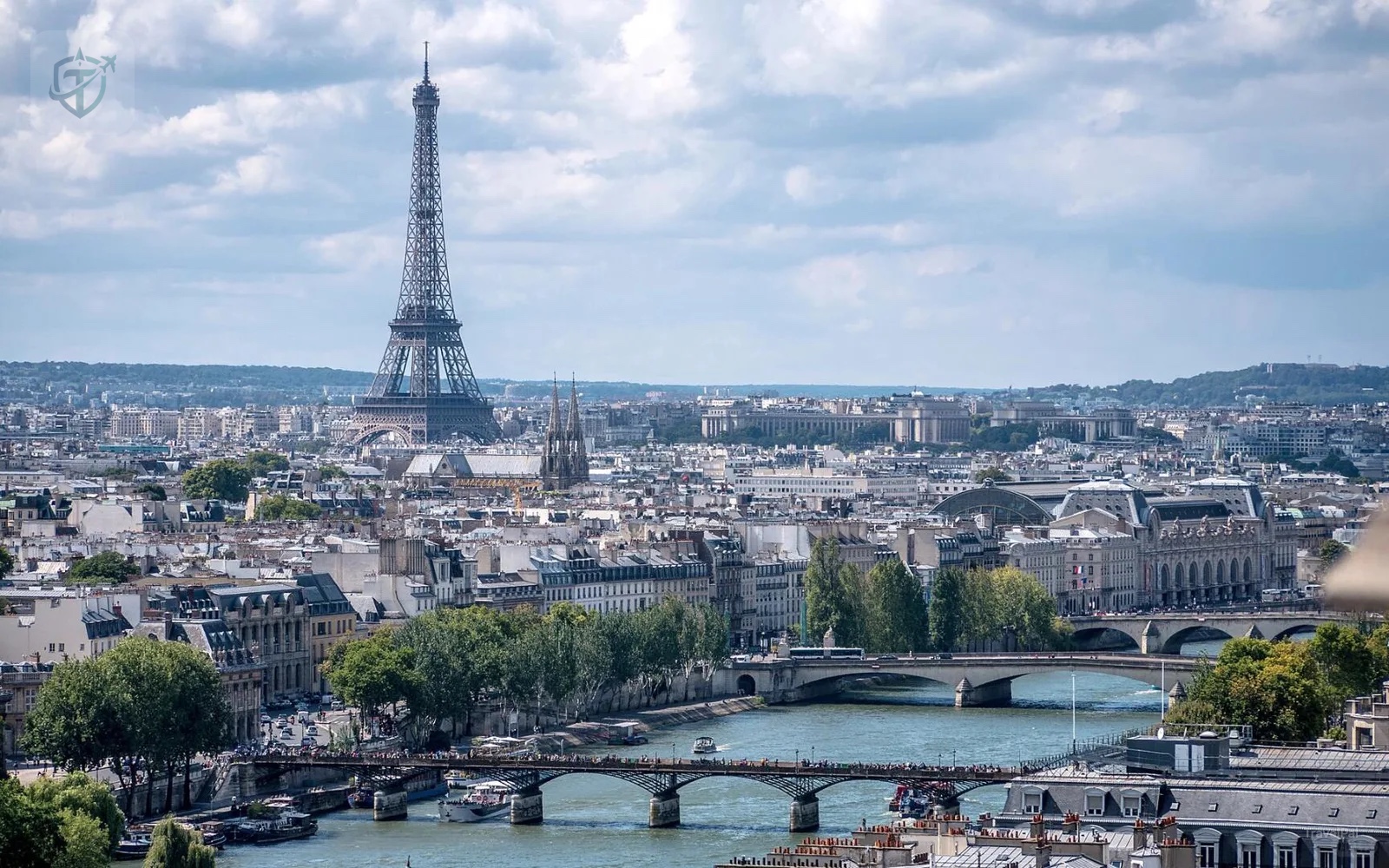
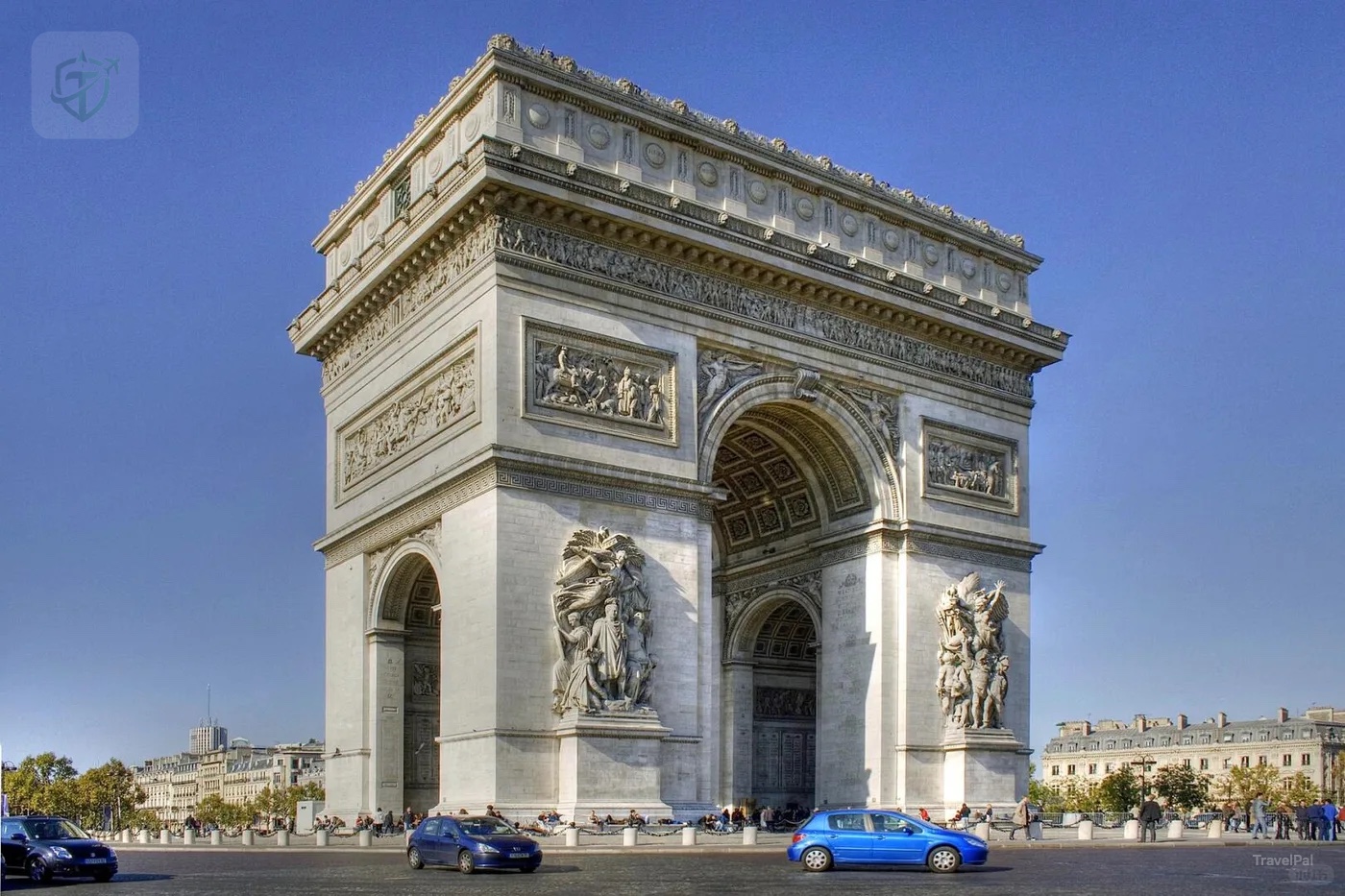
| 1 | West Paris | Arc de Triomphe, Champs-Élysées, Eiffel Tower |
| 2 | Invalides–Tuileries | Army Museum and Napoleon’s tomb, Orangerie |
| 3 | Île de la Cité–Left Bank | Notre-Dame, Sainte-Chapelle, Latin Quarter |
| 4 | Louvre | One full museum day |
| 5 | Orsay–Saint-Germain | Musée d’Orsay, Seine walk, flexible evening |
| 6 | Montmartre | Sacré-Cœur, streets, slower neighborhood time |
| 7 | Le Marais–Canal | Historic streets, market, free-choice museum |
| 8 | Loire Valley | Train to Tours, Amboise and Clos Lucé |
| 9 | Loire Valley | Chenonceau plus Chambord or Chaumont |
| 10 | Versailles | Return toward Paris and spend a full day at the estate |
Days 1–3: establish the city before the museums
Day 1: Arc de Triomphe to the Eiffel Tower
Keep arrival day outdoors. Begin at the Arc de Triomphe, walk a useful portion of the Champs-Élysées, then continue toward Trocadéro and the Eiffel Tower. Reserve a tower time only if your arrival is reliable; otherwise enjoy the exterior and book the ascent for a later evening.
Day 2: Invalides and the Orangerie
Use the Army Museum and Napoleon’s tomb to build the political history that later paintings assume you know. The Orangerie makes a compact afternoon counterpoint: Monet’s panoramic Water Lilies need quiet looking, not a rushed photo stop.
Day 3: medieval Paris
Pair Notre-Dame with Sainte-Chapelle and the Conciergerie because they sit close together. Continue through the Latin Quarter and Panthéon only if energy remains. Church services and security lines can reshape the day, so avoid back-to-back timed entries.
Days 4–7: art depth and neighborhood recovery
Day 4: the Louvre gets a day, not an evening fragment
Follow our focused Louvre route as the core, take a real break inside, and add one personal-interest wing afterward. Trying to combine a first Louvre visit with the Eiffel Tower and Arc de Triomphe creates a day of queues rather than a day in Paris.
Day 5: Musée d’Orsay and Saint-Germain
Use the Orsay masterpieces route, then walk through Saint-Germain or along the Seine. Thursday’s later closing can help, but never assume a favorite painting is on view.
Days 6–7: neighborhoods are not filler
Give Montmartre one morning before its lanes become busiest, then take the afternoon slowly. Use the next day for Le Marais, Place des Vosges, food, and one smaller museum chosen by interest. This spacing prevents museum fatigue and leaves recovery capacity for weather or closures.
Days 8–10: Loire Valley and Versailles
Take an early train to Tours and rent a car there. Visit Amboise and Clos Lucé on arrival day, then choose two châteaux for the next day rather than racing through four. Our Loire Valley route explains the tradeoffs.
Versailles deserves a full day: palace, gardens, Trianon estate, and the walking between them are larger than first-time visitors expect. It is logistically cleaner to return to Paris the previous evening, but experienced drivers may use an overnight stop west of the city.
What to book first
- International transport and lodging.
- Loire Valley train and automatic-transmission rental car, if needed.
- Louvre and Versailles timed admission.
- Eiffel Tower summit or second-floor ticket.
- Sainte-Chapelle, Orsay, Orangerie, and special exhibitions.
Check each attraction’s official site immediately before booking. Museum closure days vary; placing the Louvre on Tuesday or Orsay on Monday will break the plan. Shift days rather than forcing the sequence.
Schedules, admission systems, transit, and gallery access change. The itinerary was reviewed against official museum and Paris tourism information on July 16, 2026; always recheck dates for your trip.