
Takakkaw Falls trailhead → Yoho Lake → Walcott Quarry → return
This is my personal route and rating. Walcott Quarry is a restricted fossil site: ordinary hikers may not enter it on their own. Check Parks Canada’s current Walcott Quarry page for the official access rules and reservations.
My rating is 8/10 for uniqueness and learning. It is not an 8/10 because it is easy—it is long, physically demanding, and takes most of a day. But I cannot think of many hikes where the scenery is beautiful and the destination is also a lesson in how complex life began.
Why this hike is different
Most hikes end at a lake, a viewpoint, or a waterfall. This one ends with a piece of stone that can make you rethink time. Burgess Shale fossils are more than 500 million years old, from a marine world that existed long before dinosaurs. The remarkable part is how much detail survived: not only shells and outlines, but traces of soft bodies and anatomy that normally disappear.
The best part was learning with a real geologist. The walk became a conversation about how the fossils formed, how ancient creatures evolved, and how scientists use a few flattened shapes in shale to reconstruct an ecosystem. I know enough about evolution to be fascinated, not enough to pretend I could teach it, which is exactly why the guided explanation mattered.
The long, beautiful approach
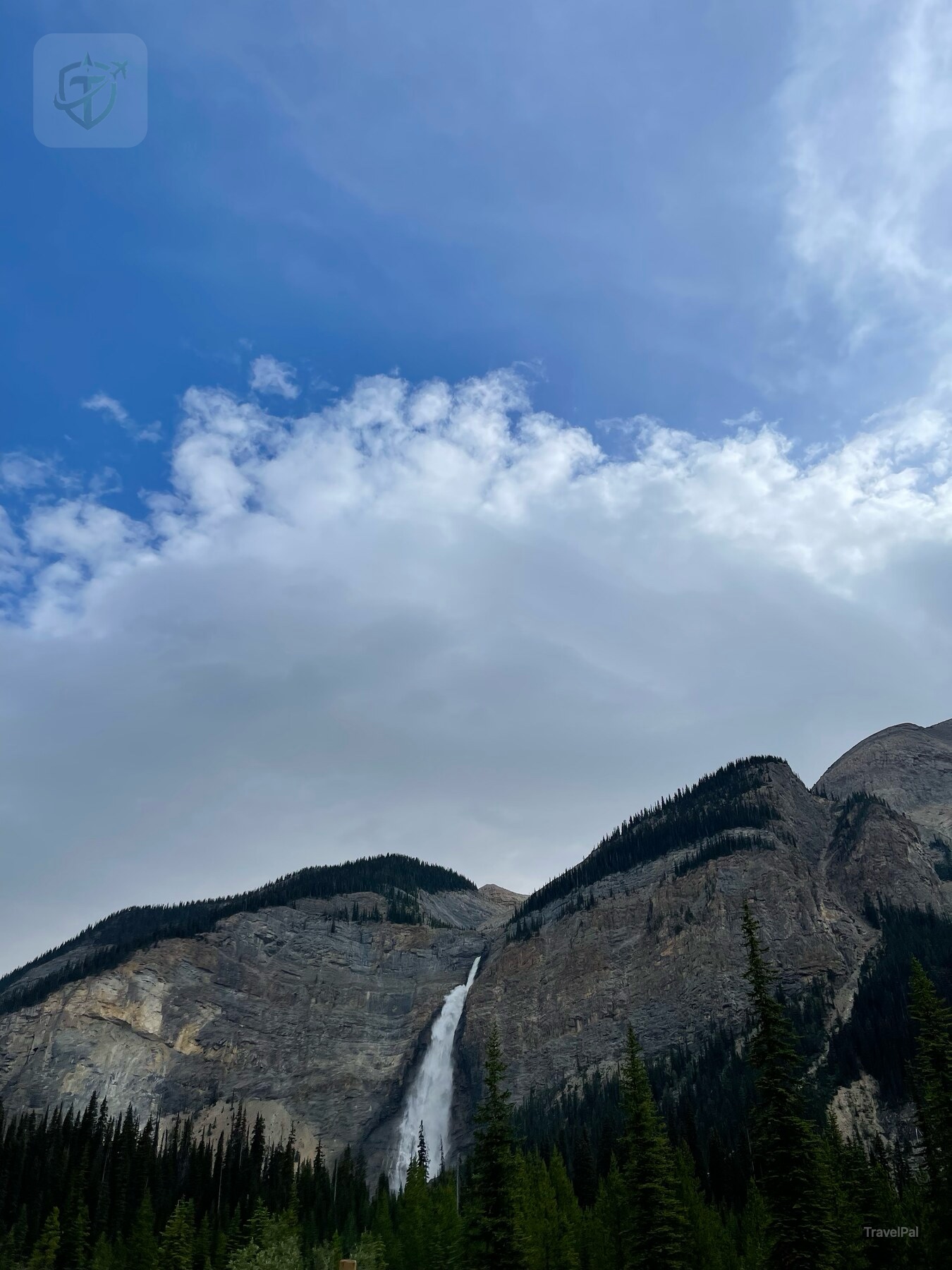
The day starts early and keeps going. The first part is easier to settle into: forest, mountain glimpses, and a sense that the trail is leading somewhere much bigger. The scenery keeps changing as you climb, and I found myself stopping for views even when I knew the clock was moving.
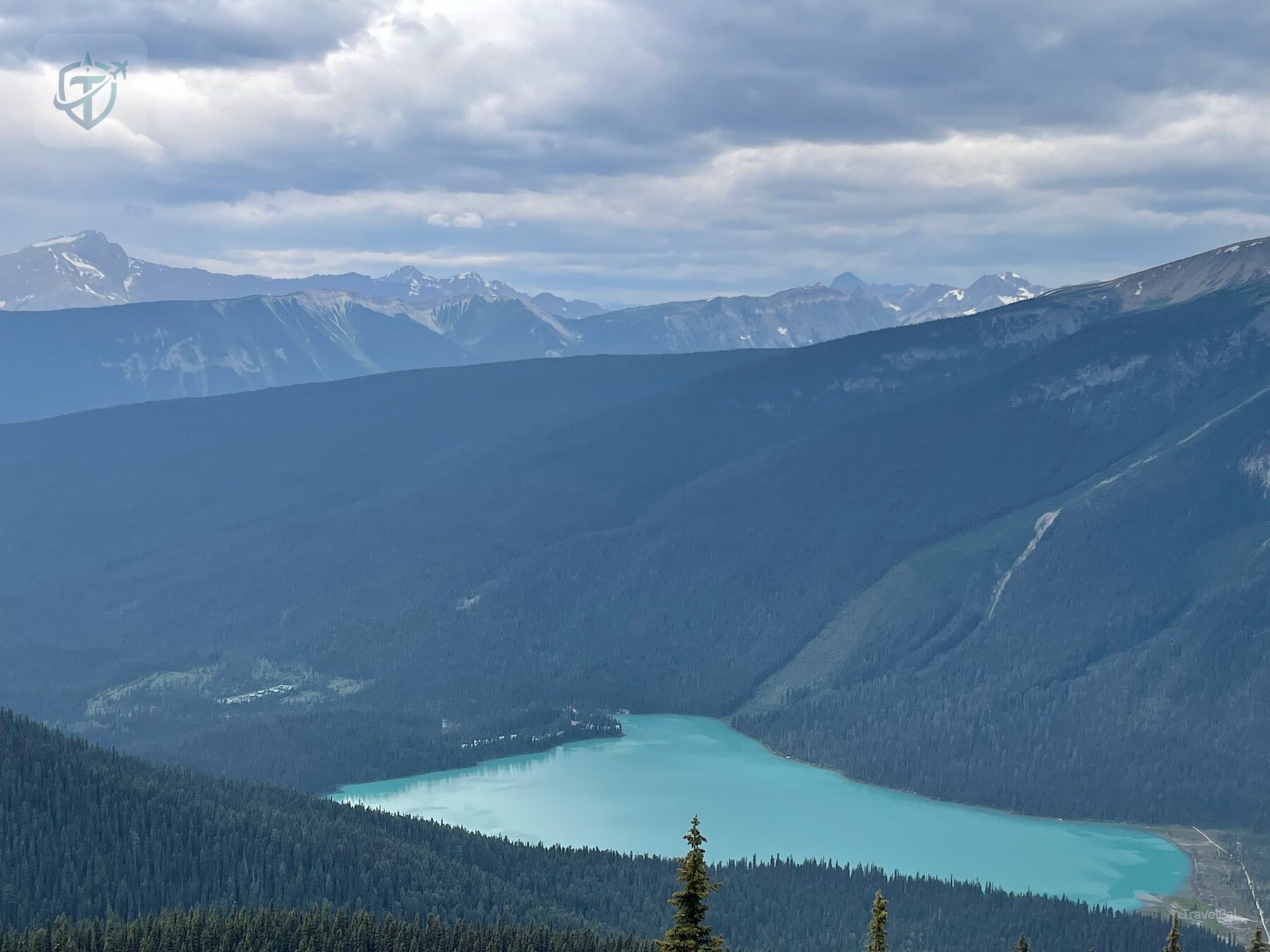
The last part is where the hike stops pretending to be gentle. The trail gets steeper and rougher, and I was glad to have proper footwear and trekking poles. It is the kind of effort where the destination needs to be meaningful enough to keep you moving. Here, it is.
I did not see much wildlife on this trip. That was fine. The mountains, the rocks, and the conversation were enough; this was a day for looking closely rather than waiting for an animal to appear.
The moment the rocks became history
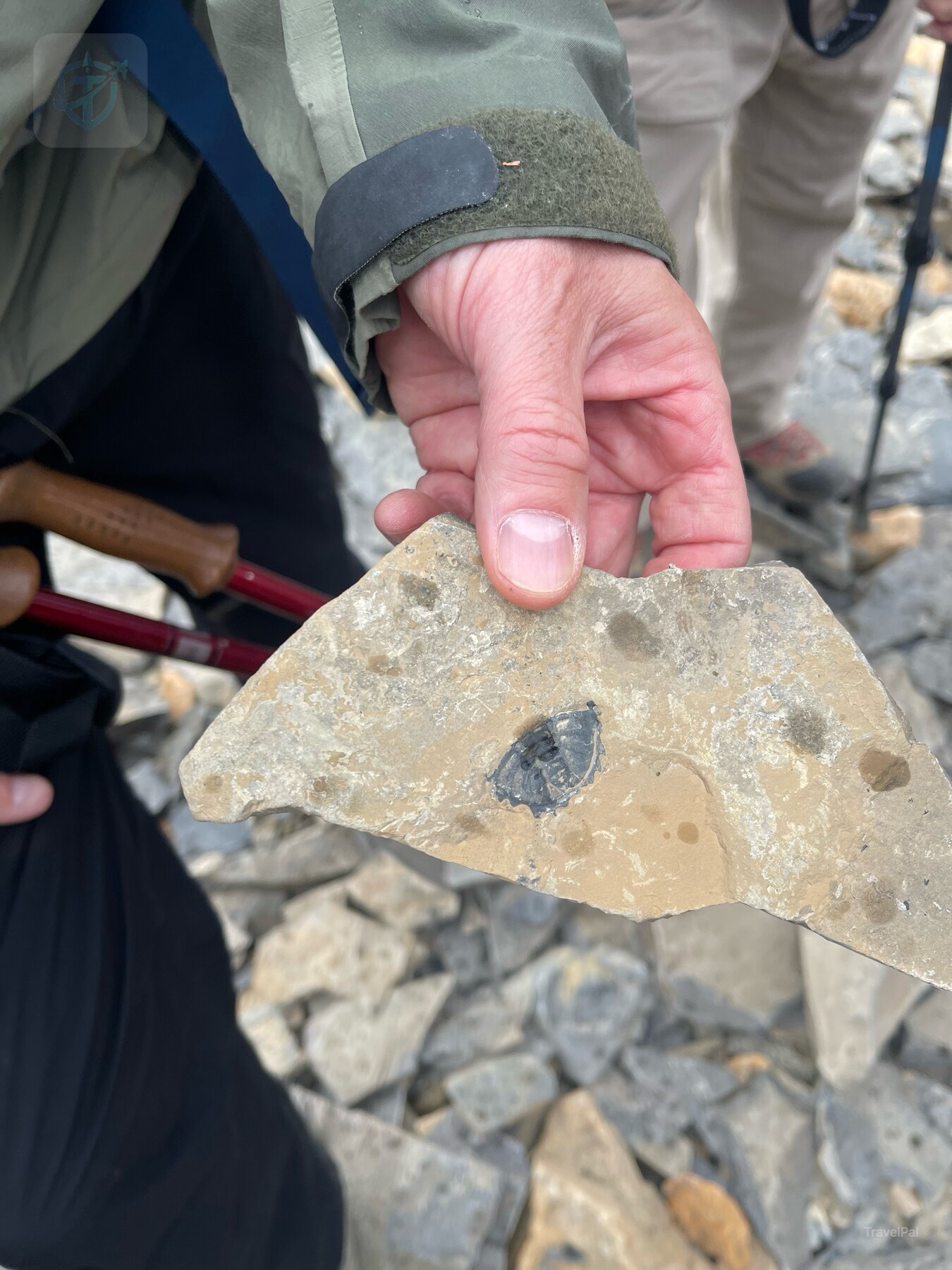
Before the guide pointed things out, many of the stones looked like ordinary broken shale. Then a pattern appeared: a curve, a segmented body, a shape that might once have moved through an ancient sea. The change was in my eyes as much as in the rock.
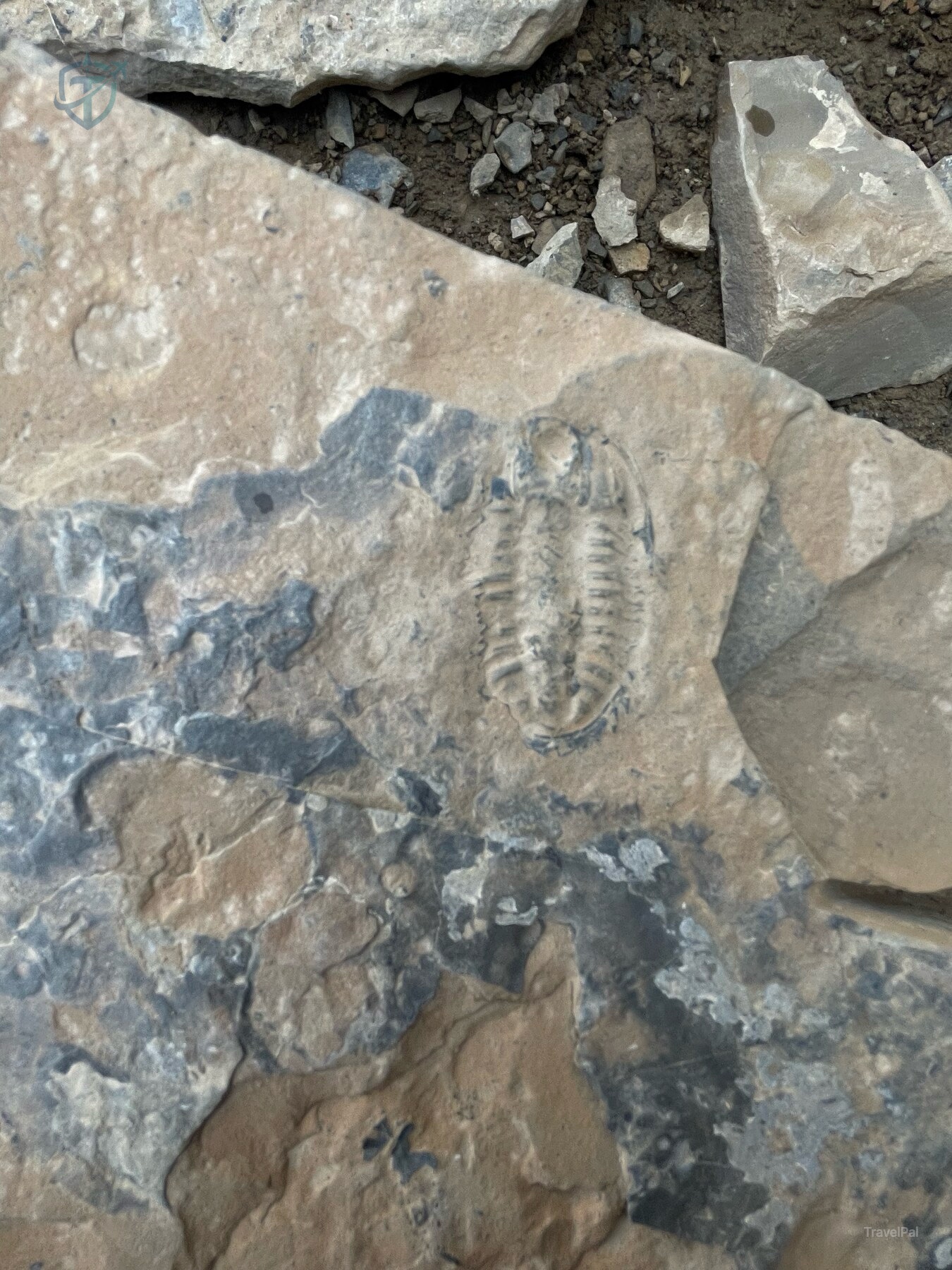
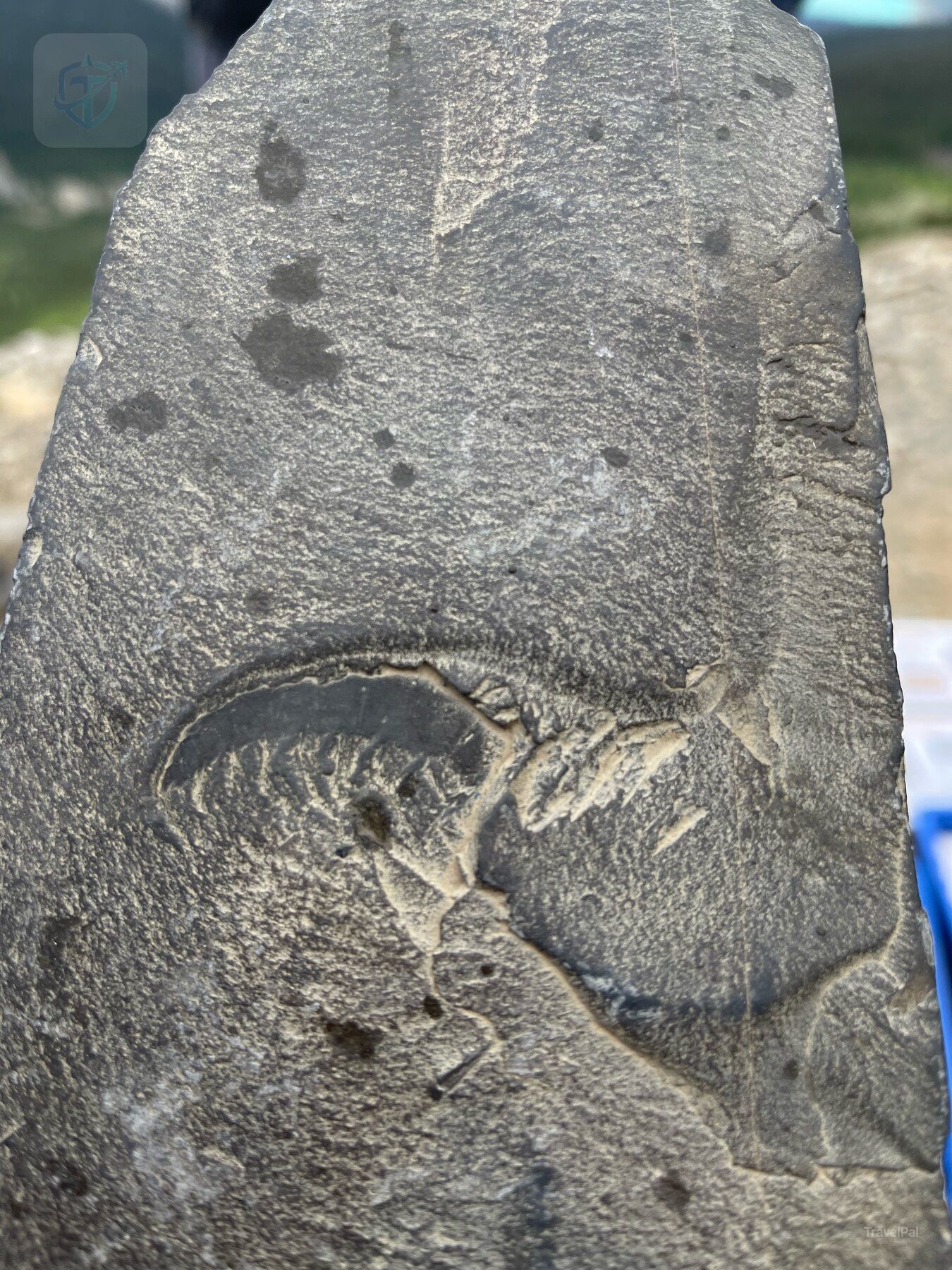
There are three different Burgess Shale adventures to choose from, and we chose Walcott Quarry. It is the longer option, but compared with the shorter, steeper Mount Stephen route it gave us a more gradual approach before the final climb. The choice is not just about distance; it is about what kind of day you want to have.
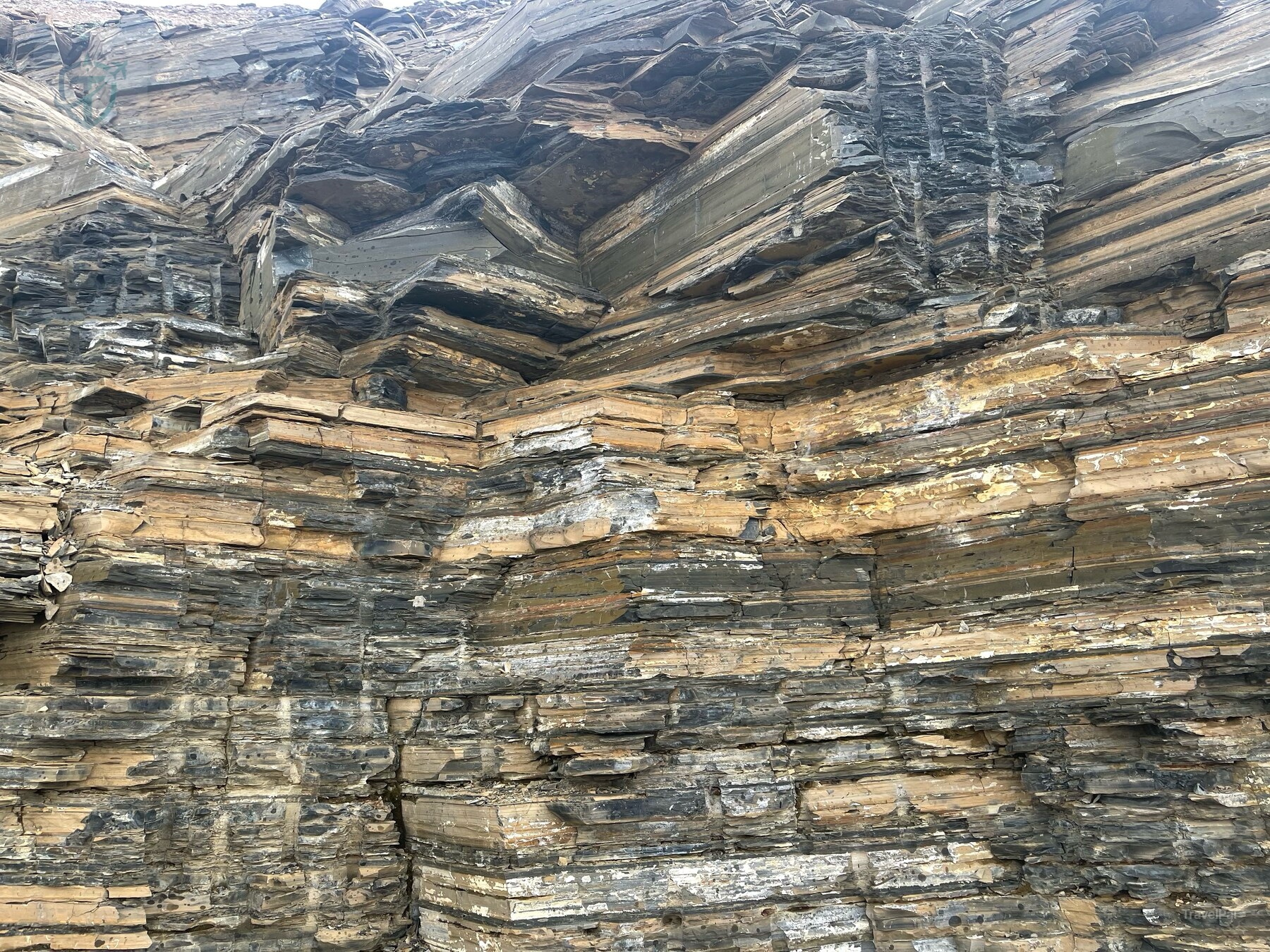
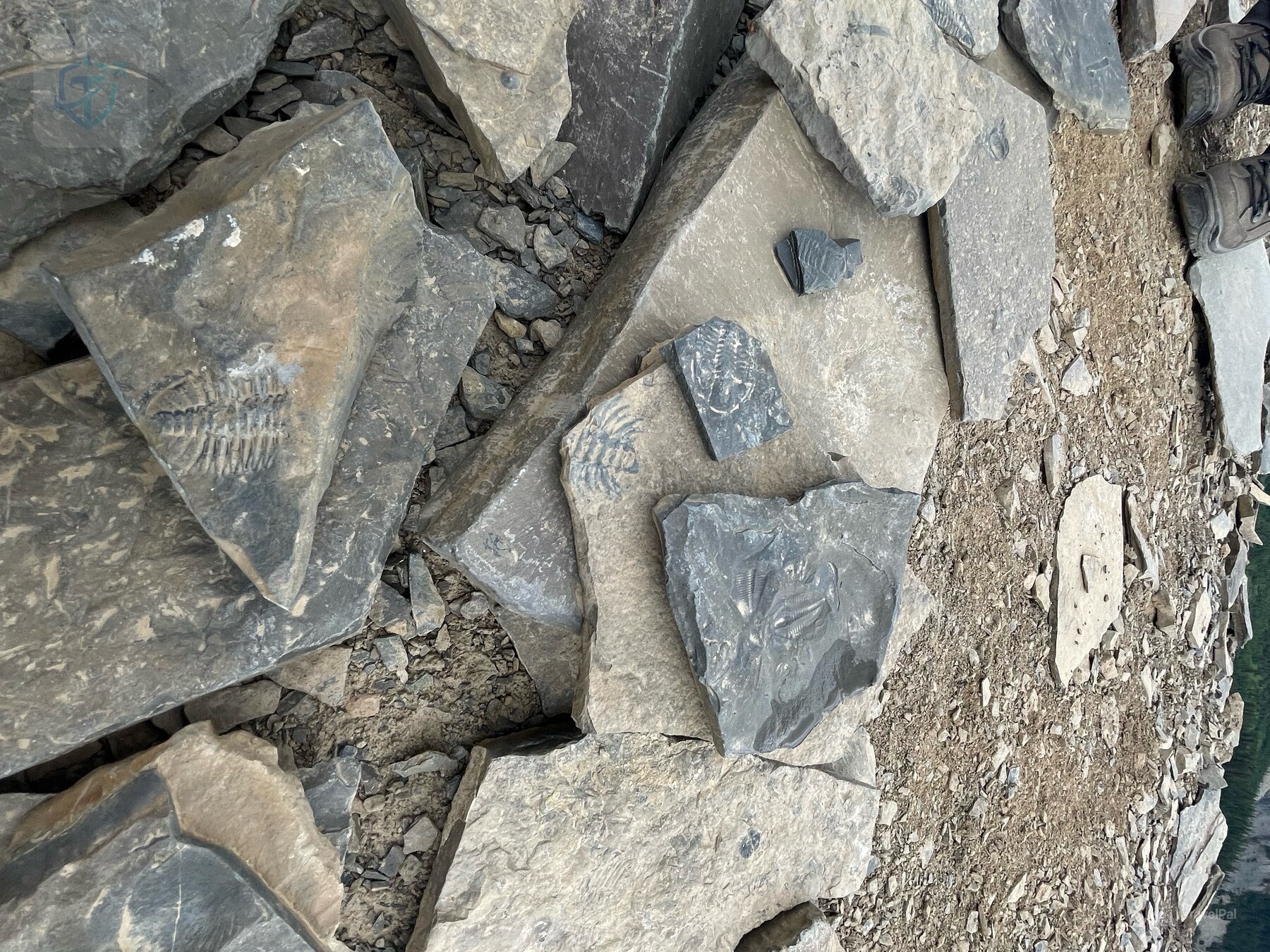
Leave every fossil where it is
Nothing comes home with you. The fossils stay in the park, exactly where they belong. You can observe them, listen, ask questions, and return the piece to its original place. That restraint is part of the experience: the next group deserves to see the same evidence, and researchers need the context around every find.
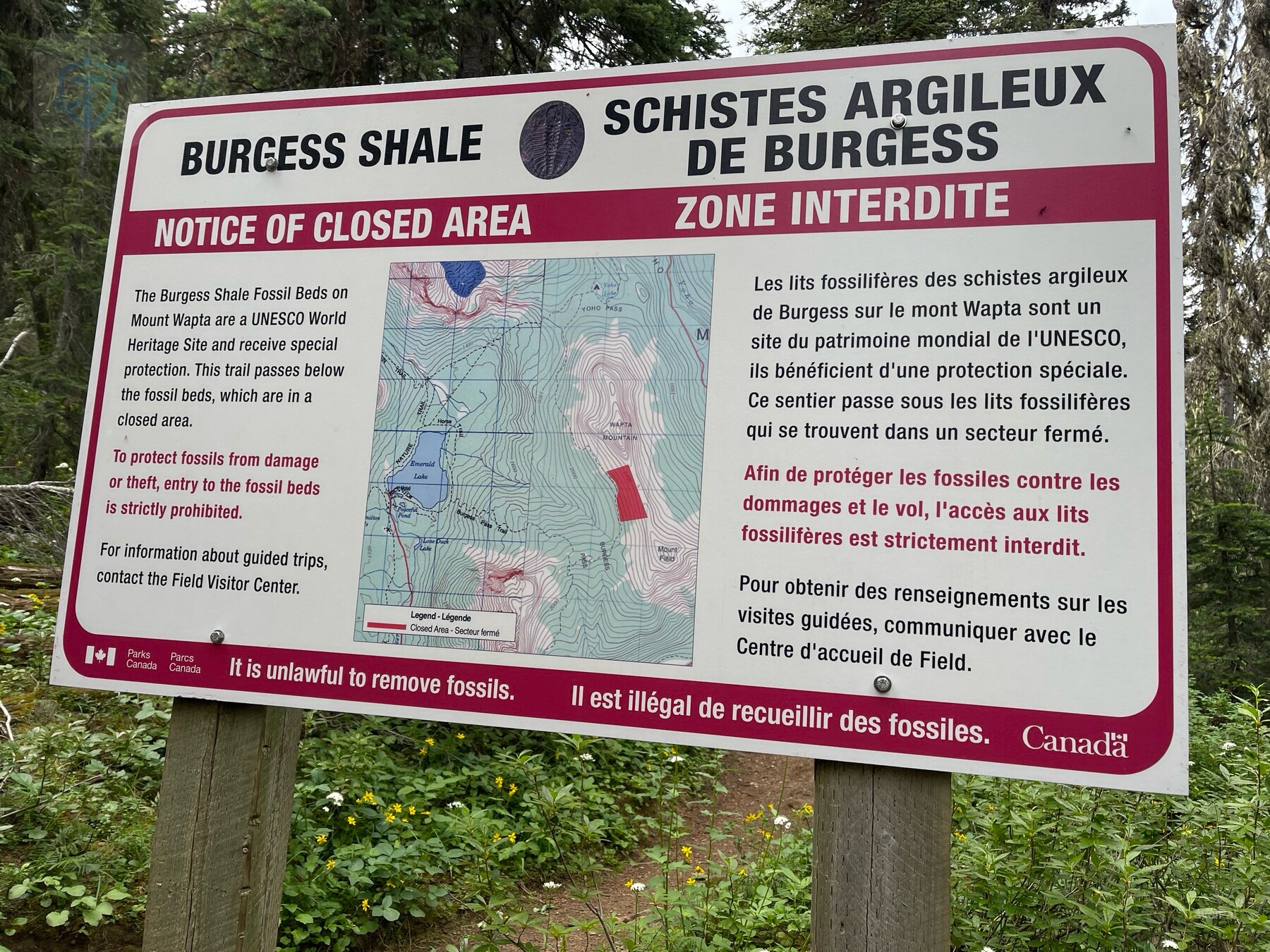
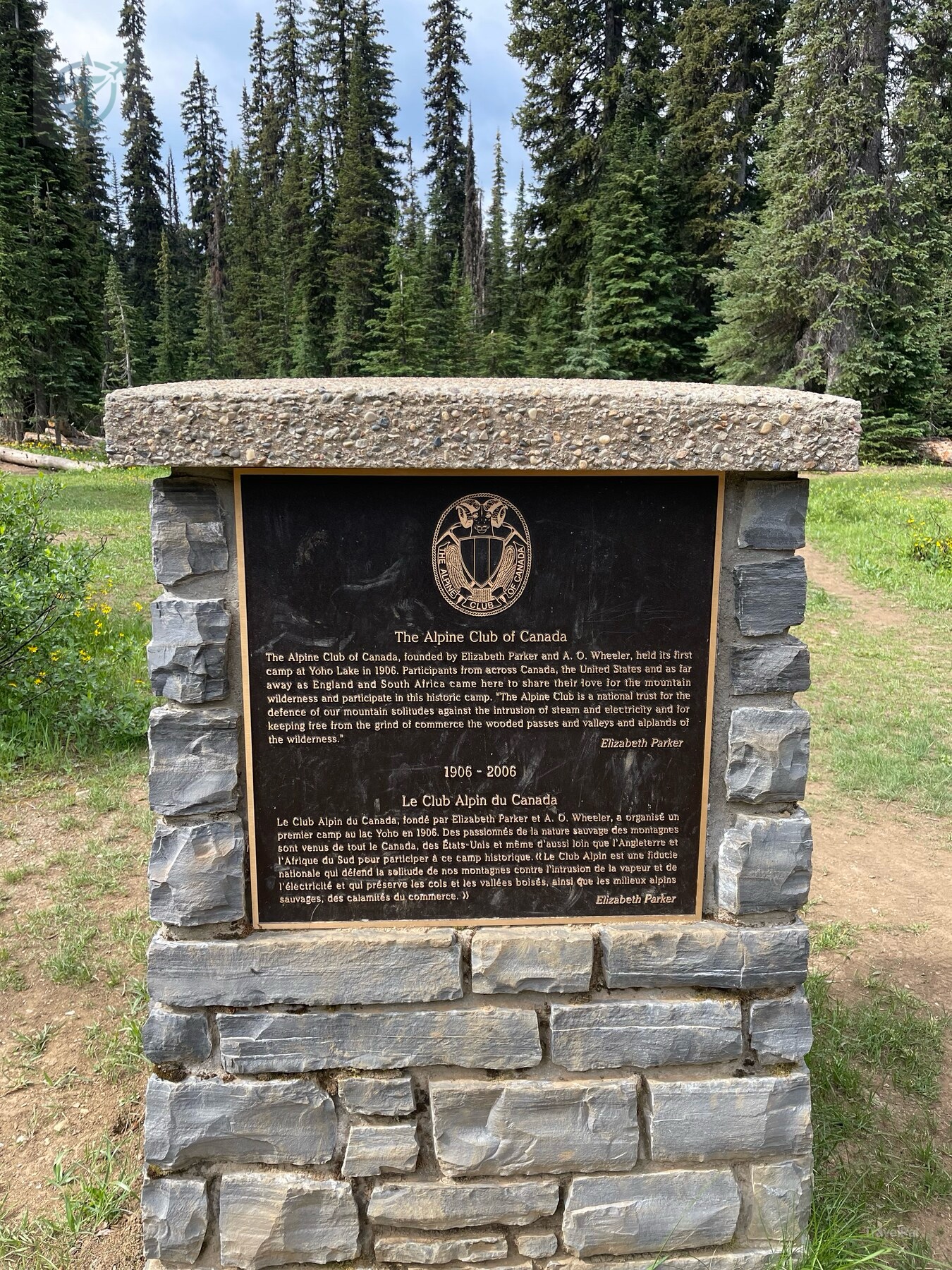
That sign is one of my favorite photographs from the trip because it shows the boundary between curiosity and responsibility. The Burgess Shale is rare precisely because it has been protected. A good visit leaves the science intact.
Current planning notes
This is the practical part I would read before making any plans. Details change, so re-check the official Parks Canada pages immediately before your trip:
- Location: the Walcott Quarry hike begins and ends at the Takakkaw Falls parking lot in Yoho National Park, near Field, British Columbia.
- Access: the Walcott Quarry and Mount Stephen fossil sites are restricted. Parks Canada says they may only be visited on a scheduled guided hike or with a research permit; a self-guided hike does not let you enter the quarry.
- Current scale: Parks Canada lists Walcott Quarry as difficult, 24 km return, 900 m elevation gain, and about 11 hours (7 a.m.–6 p.m.). The final 600 m includes a short, steep rocky section.
- Reservations: reservations are required. Use the official page for current dates, availability, and pricing.
- What to bring: sturdy hiking boots, hiking poles, quick-drying layers, rain gear, sun protection, insect repellent, lunch, snacks, and at least 2 litres of water per person. Mountain weather can change quickly.
- Age and pets: Parks Canada currently does not allow children under eight on the Walcott hike, requires adult accompaniment for children and youth through age 15, and does not allow pets.
- Respect the site: do not collect fossils, rocks, or other natural objects. Stay with the guide and follow all closures and instructions.
Before going, read Parks Canada’s Walcott Quarry page, the broader Burgess Shale overview, and the Yoho visitor guidelines. Check road status, weather, wildfire notices, and any updated access restrictions before leaving.
My final thought is simple: this was a hard day, but not a routine hard day. The payoff was not just reaching a viewpoint; it was learning how to look at a rock and understand that it once held a living creature in an ancient sea. That is why Walcott Quarry stayed with me.
Visitor information checked July 24, 2026. Guided-hike dates, reservations, fees, road access, conditions, closures, and restrictions can change without notice; verify current information through Parks Canada before travel. This is a personal account and rating. All photographs and written content on this page are original TravelPal content and are copyright protected.