
Moraine Lake trailhead → Larch Valley → alpine valley → turn-around below Sentinel Pass
This records my 2022 experience, not current trail conditions. Check AllTrails and Parks Canada before you go.
Sentinel Pass is one of those trails that makes a camera feel slightly dishonest. I took plenty of photographs, but none of them can quite carry the scale of the mountains, the cold brightness of the snow, or the strange feeling of sitting down for a picnic in a valley that looks like it belongs to another world.
People often describe this as a Lake Louise hike because it sits in the Lake Louise region. My walk began from the Moraine Lake side, and that distinction matters when you are planning the day. What matters more to me is the memory: this was easily a 9/10 trail, and probably one of the best I have ever hiked.
The first mile is a negotiation
The trail does not reveal its best argument immediately. The opening section works through forest, climbing steadily enough that I had to settle into a rhythm. Every so often the trees offered a peekaboo view of a mountain or a slice of blue lake, just enough to remind me what was waiting above.
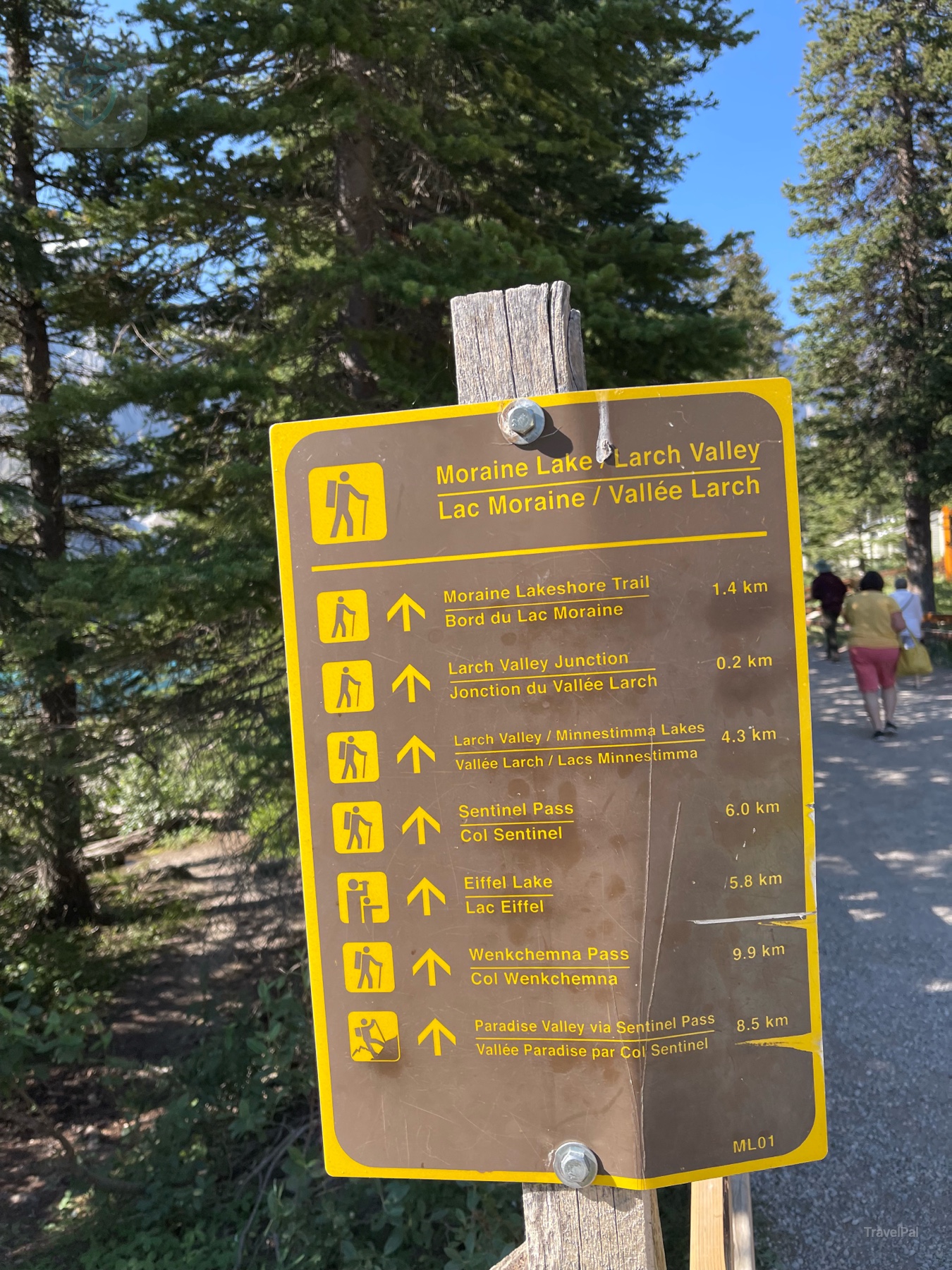
The first part is the difficult part—not because it is dramatic, but because it asks for consistent effort before it gives you a spectacular reward. Good hiking shoes are not optional for me here. The sign was a useful reminder that this is a real mountain route, not just a viewpoint with a path attached.
When the crowd fades
Lake Louise and Moraine Lake are famous for a reason, and the trail is still popular. But after roughly a mile, the crowd thins out noticeably. The forest becomes quieter, the conversations spread farther apart, and the walk begins to feel serene without feeling isolated. That is a comforting balance: I could enjoy the quiet, but I was not imagining that I was the only person in bear country.
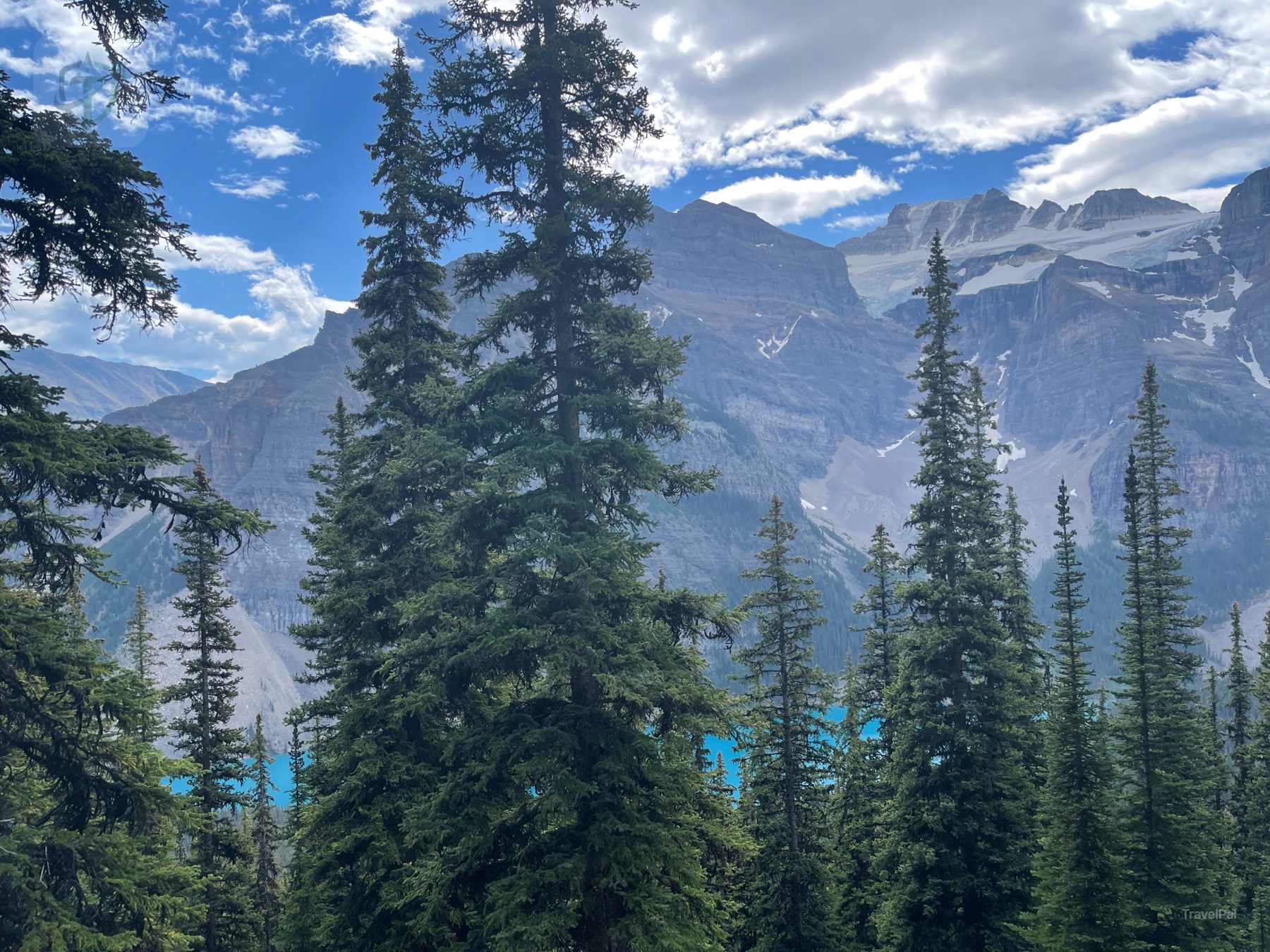
Summer has its own tax. There were mosquitoes and flies, enough that I was grateful for repellent and clothing that covered more than my arms. I would gladly pay that small price again for the alpine views.
The valley that felt impossible
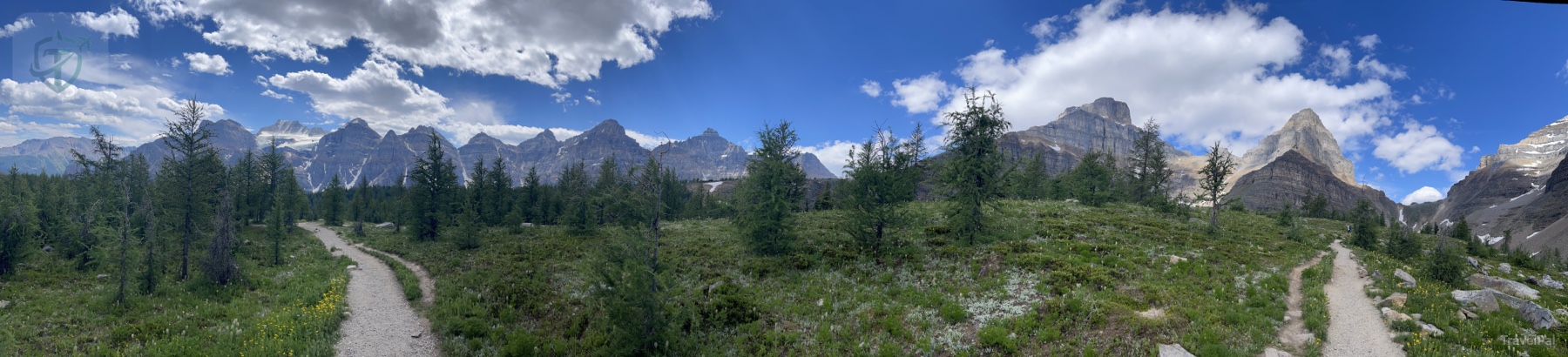
The second half is where Sentinel Pass becomes extraordinary. The trees give way to a huge, open bowl, and suddenly I was surrounded by snow-covered mountains on every side. The trail felt easy to follow, but the view was completely out of proportion to the effort. I kept thinking that this must be the best part, only for the next bend to prove me wrong.
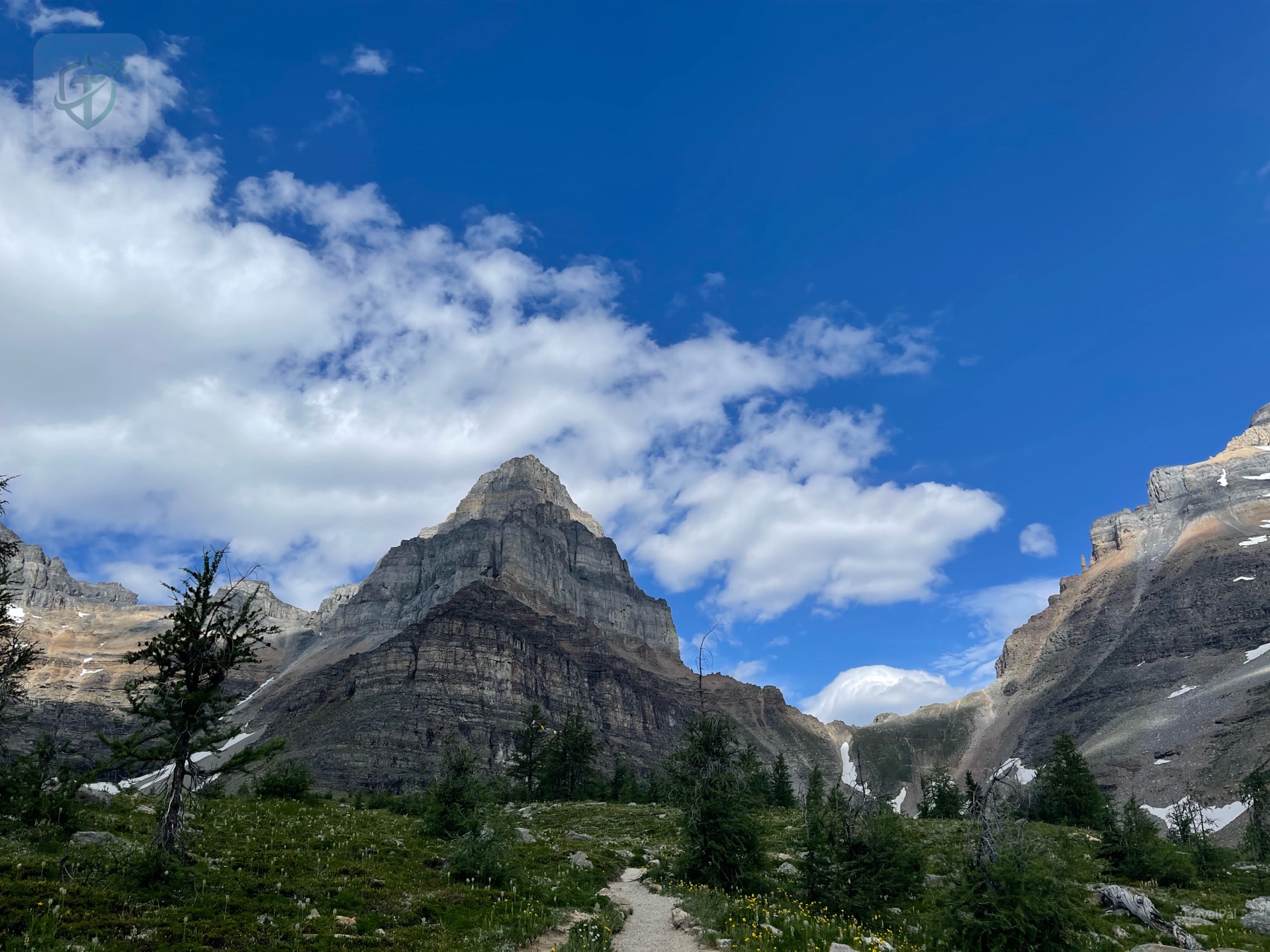
I found a place beside a small lake and had a picnic. It was not an elaborate meal—just the kind of pause that turns food into an event because the setting does all the work. Sitting there, with the snow-bright ridges rising around me, I had the uncomplicated feeling that I was in heaven.
Knowing when to stop
I did not continue all the way up the final pass. Even in July, snow remained on that last section, and I was not comfortable trading a beautiful day for a risky step. Stopping there did not feel like failure. The valley had already delivered the part of the experience I will remember, and the mountain will still be there for a better-prepared attempt.
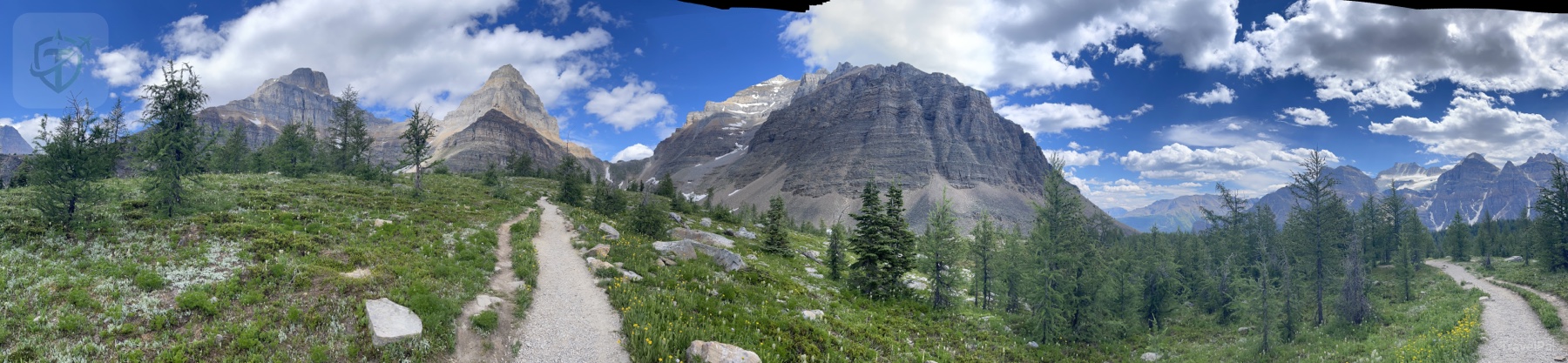
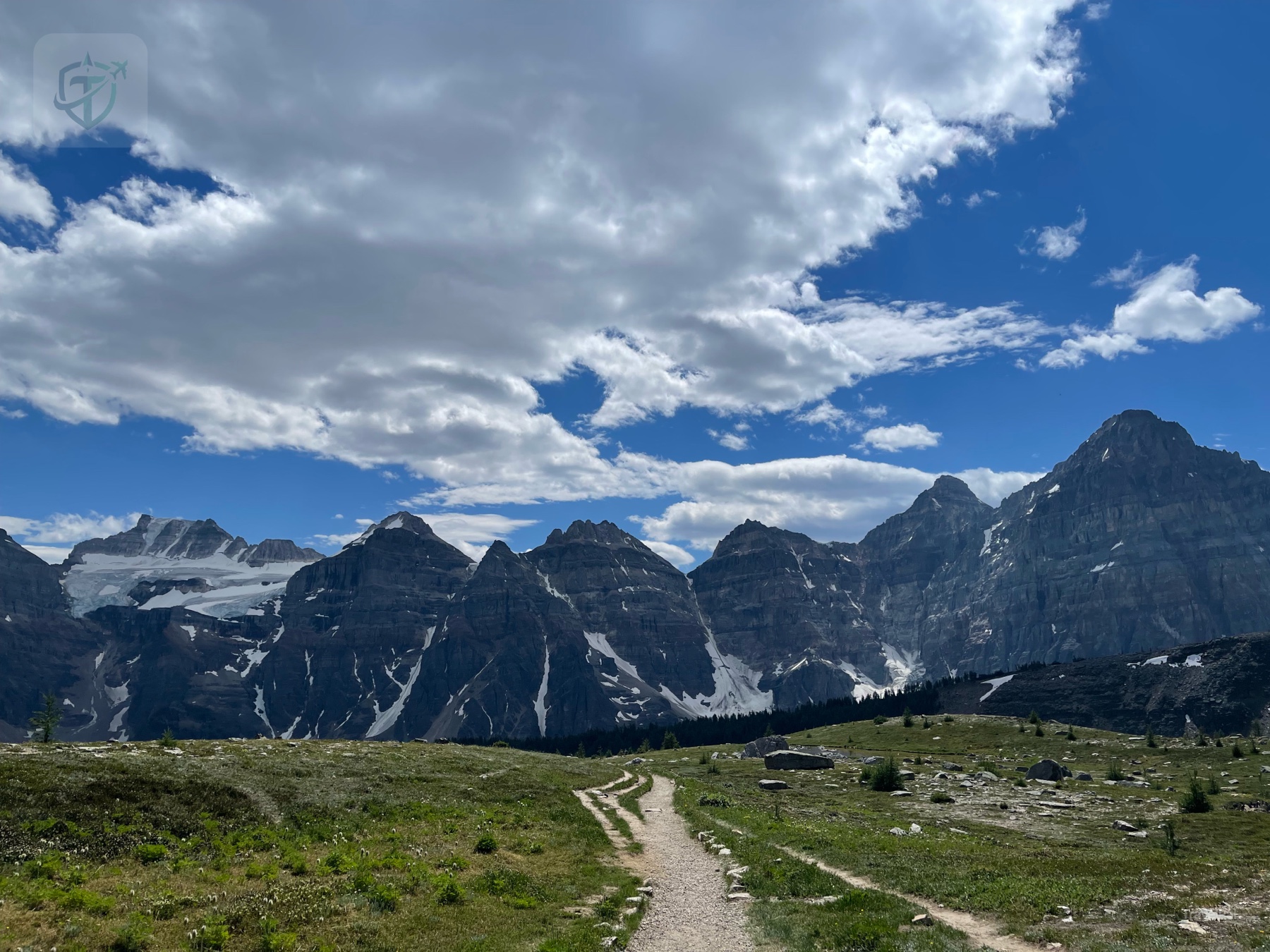
That is why Sentinel Pass stays at 9/10 for me. The initial climb is real work, the insects are annoying, and the last snow can change the plan. But once you get through that first difficult section, the trail opens into a landscape so beautiful that photographs cannot do it justice. I honestly cannot imagine a better trail for the amount of beauty it gives back. It is rewarding in the most direct sense: you work for the view, and the view gives you far more than you expected.
If you go, bring proper hiking shoes, water, insect protection, layers, and enough time to stop without rushing. Read current conditions before setting out, and let the mountain decide whether the final few steps are yours that day.
This is a personal account of my Sentinel Pass-area hike during a Banff trip in 2022. Snow, wildlife activity, insects, access, parking, shuttle requirements, and trail conditions change. Verify current information through Parks Canada and AllTrails before travel. All photographs and written content on this page are original TravelPal content and are copyright protected.