

Pier 33 → ferry across the Bay → dock orientation → Cellhouse audio tour → island viewpoints → return ferry
This is a text route from my visit; I have not drawn a decorative map. Use the official National Park Service plan-your-visit page for the current island layout, programs, and conditions.
The crossing changes the mood
The trip begins at the San Francisco waterfront. You leave from Pier 33, watch the city slide behind you, and reach the island after a short ride across the Bay. The water is so open and the skyline is so attractive that Alcatraz first feels like a scenic outing. Then the prison buildings get closer and the mood changes.
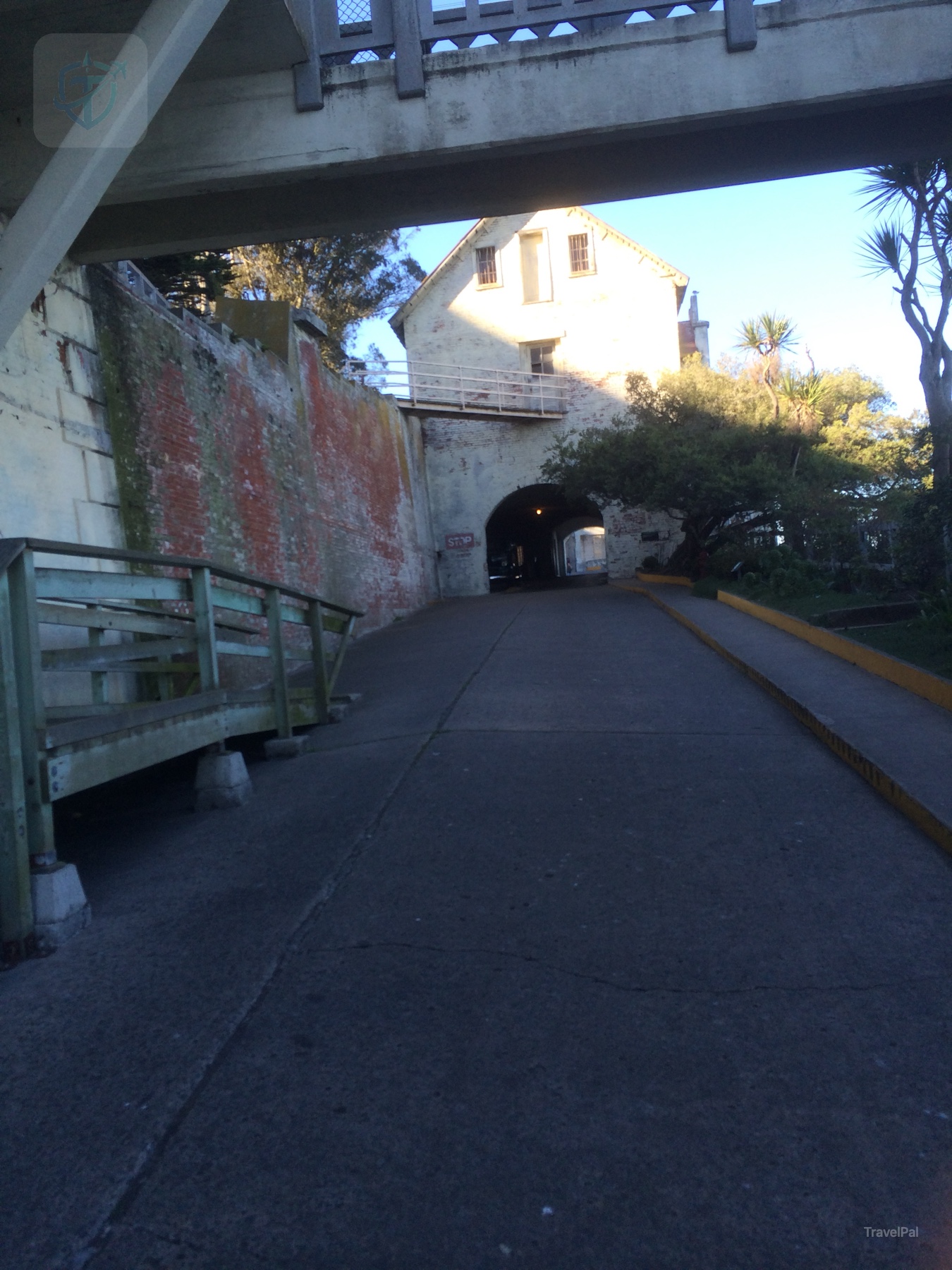
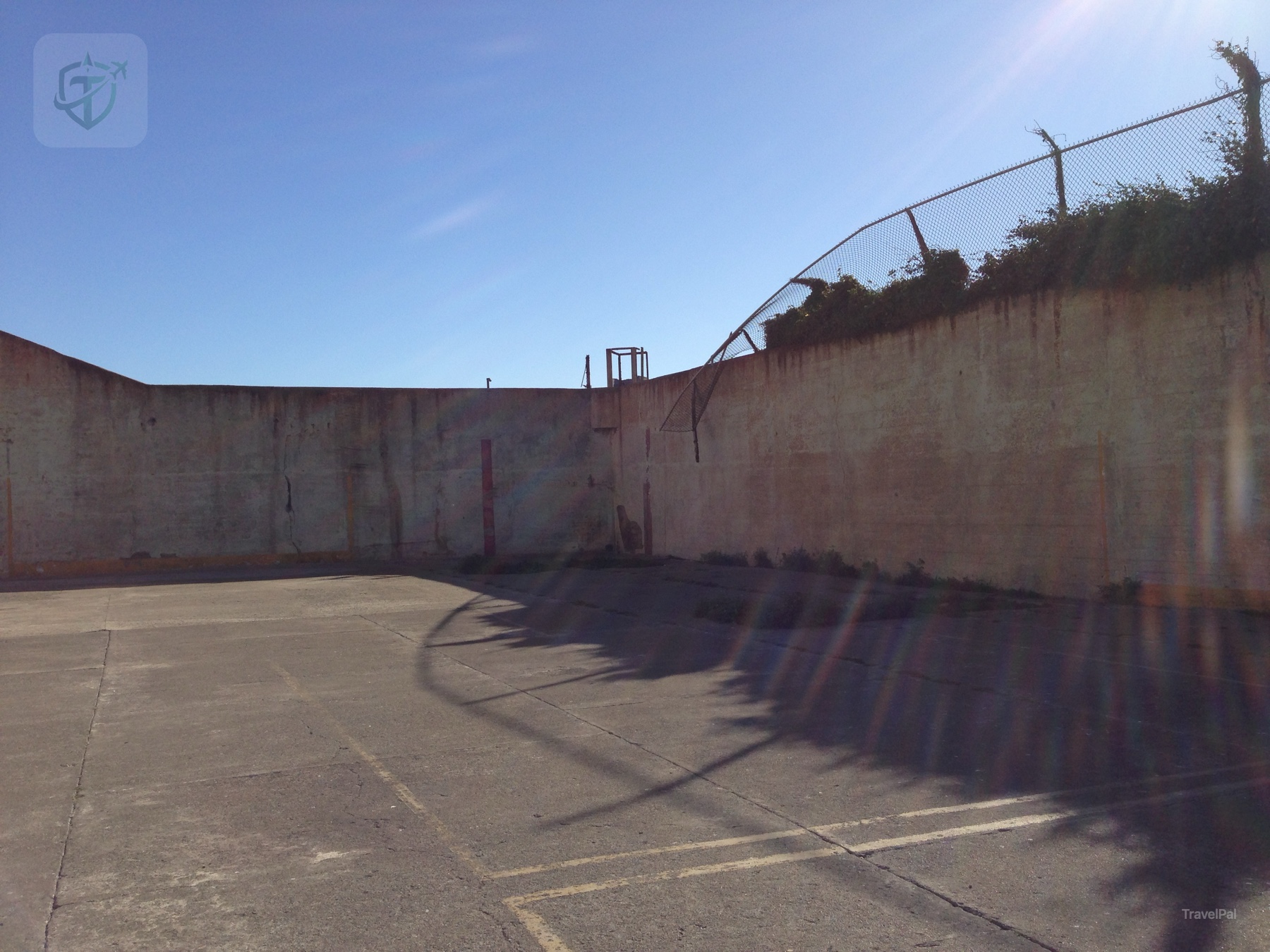
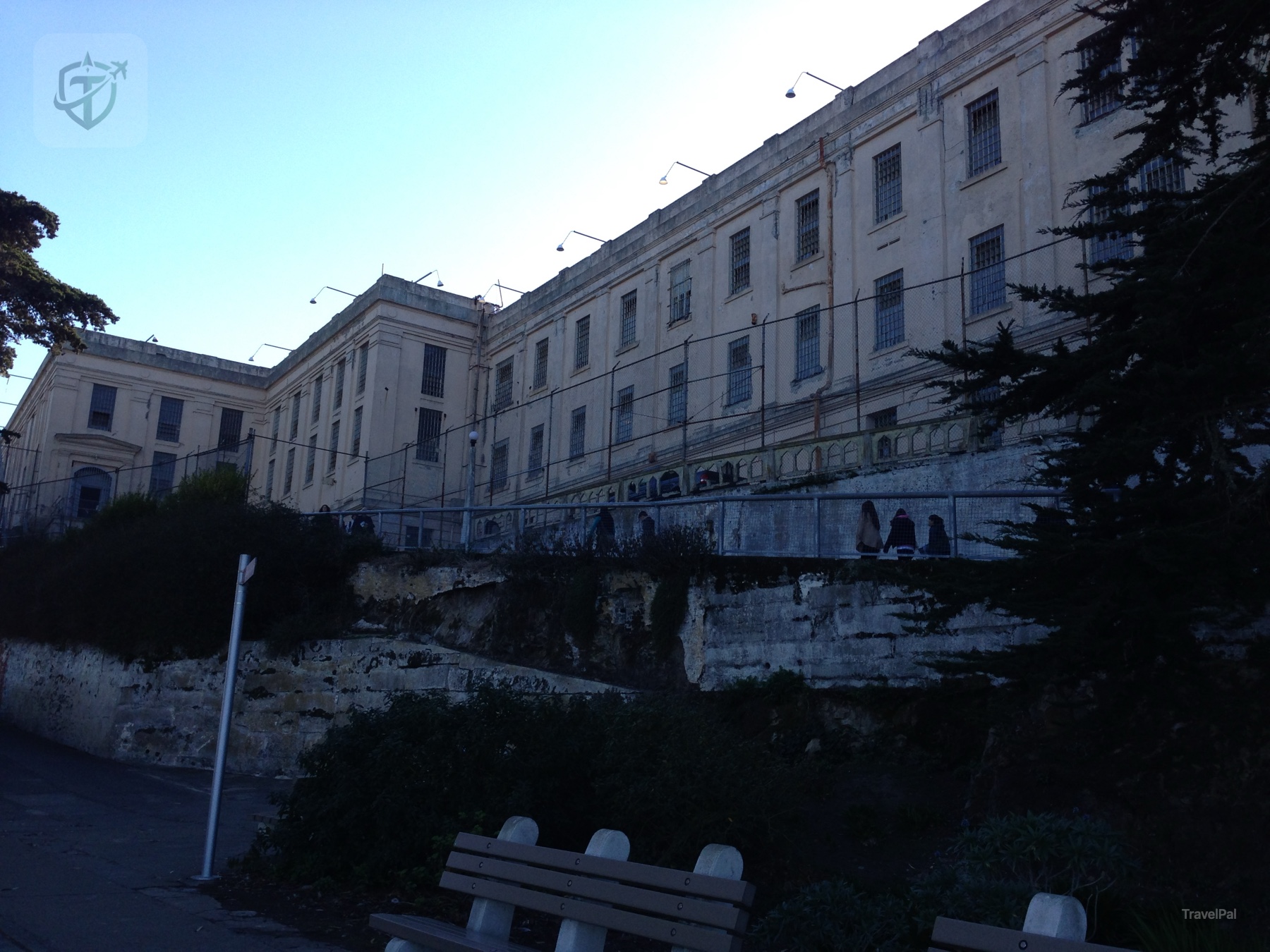
I had an uneasy thought while walking up: a place designed to isolate people now brings visitors together to remember what confinement meant. Turning a former prison into a public historic site gives the island a second life, and that second life feels far more useful than leaving the story sealed inside the walls.
The cellhouse makes the history physical
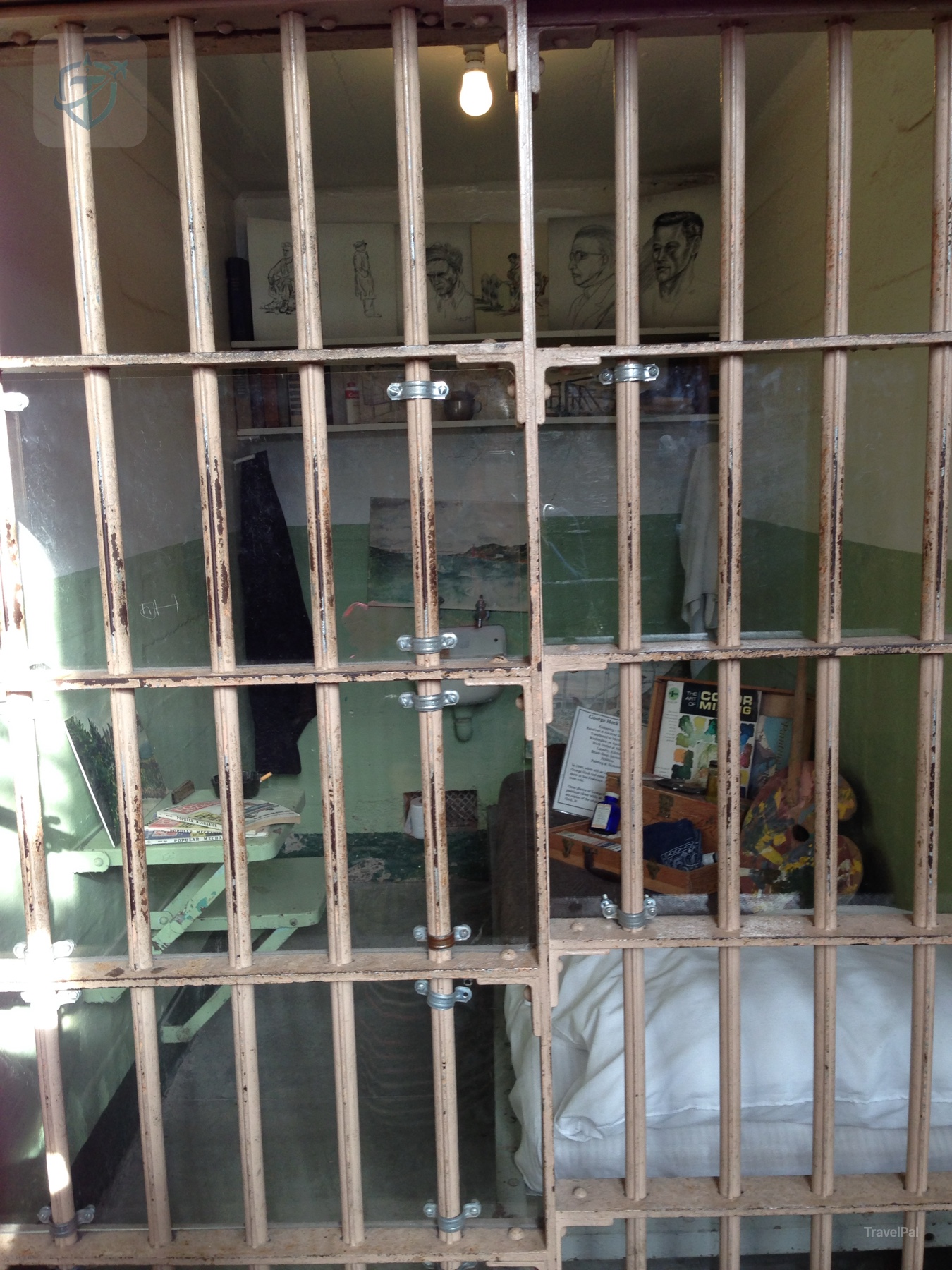
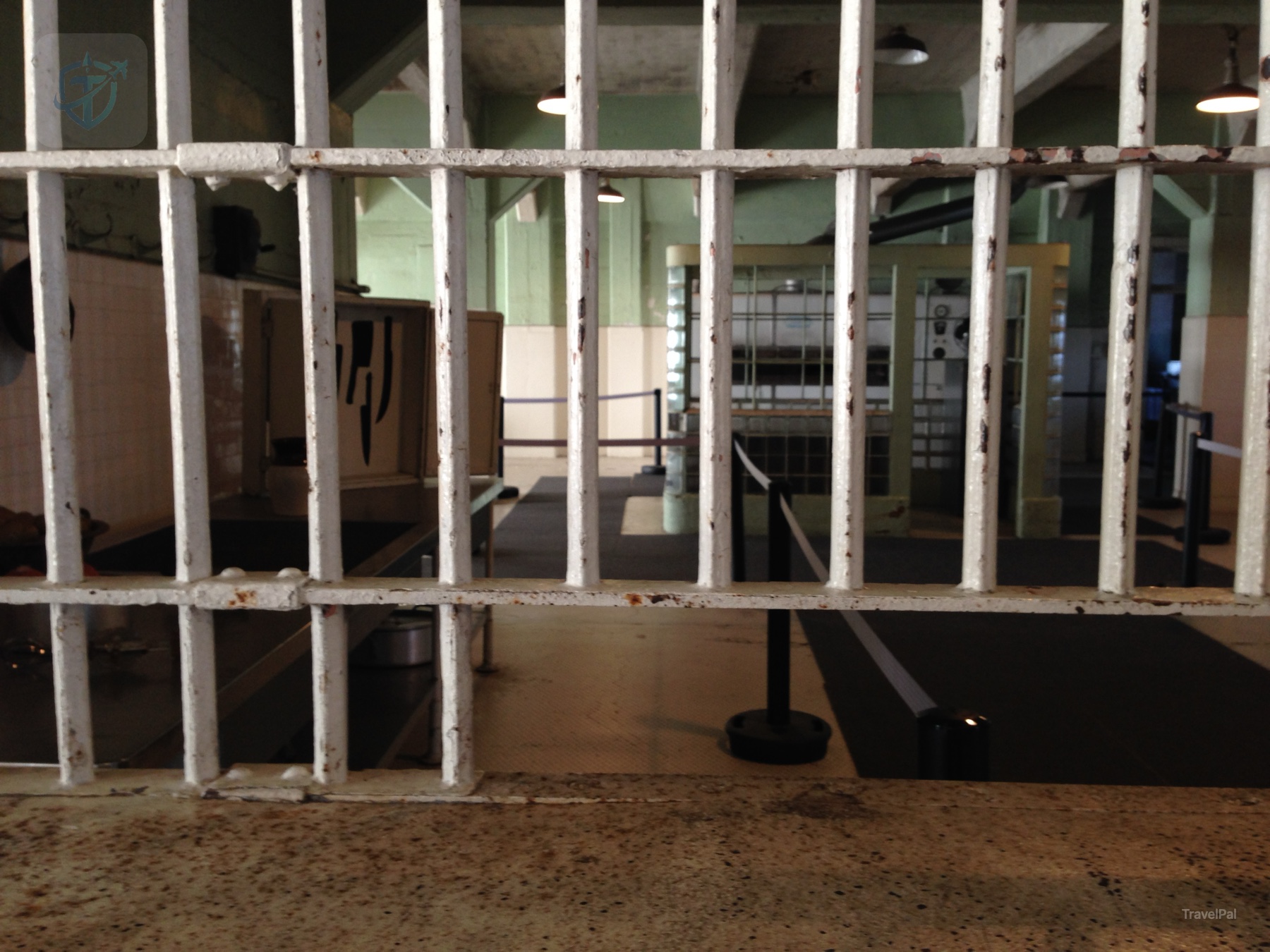
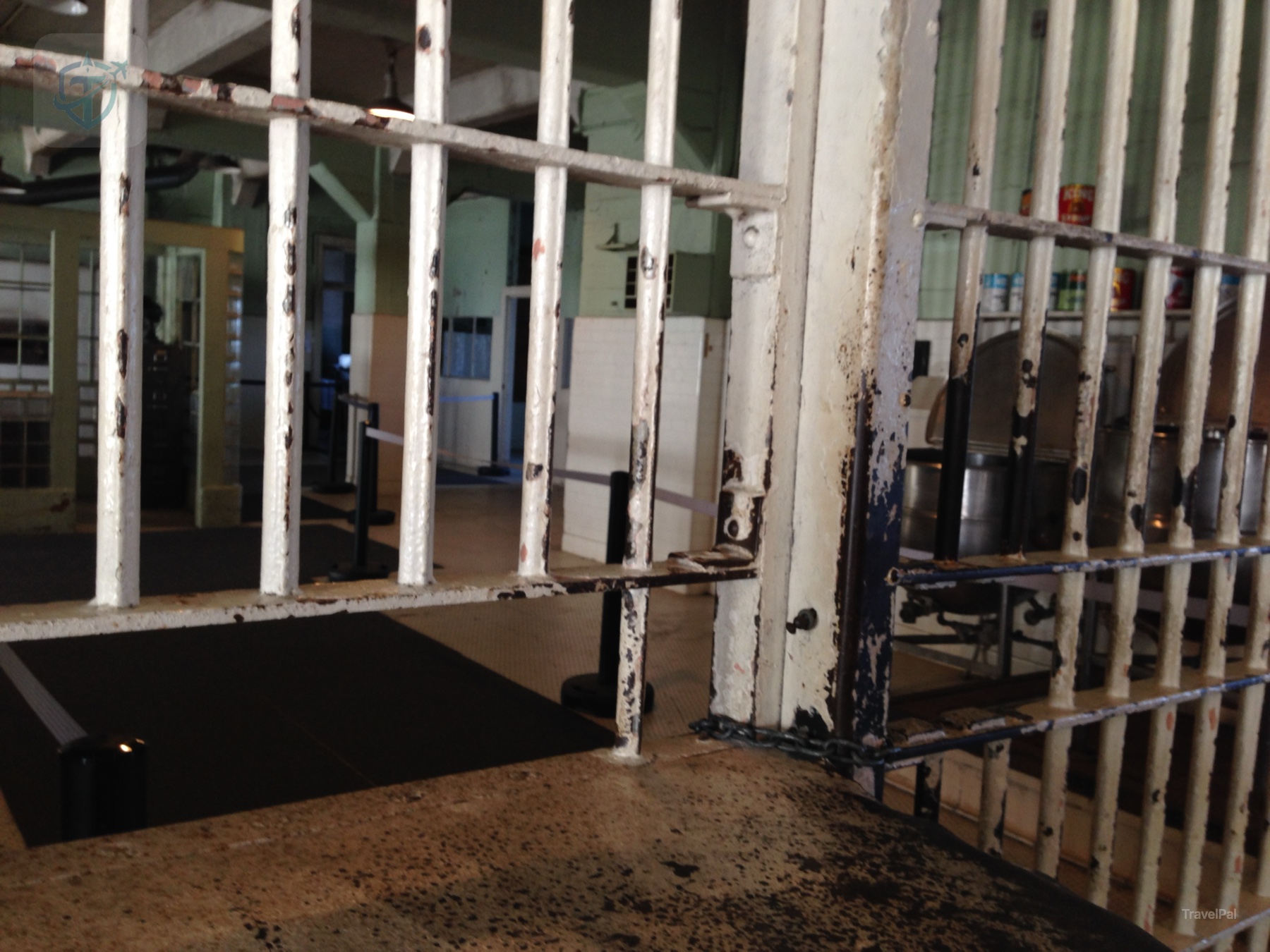
The cellhouse is where Alcatraz stopped being an idea and became a real place. The doors, narrow cells, painted walls, and long corridors make the routine visible. Even an ordinary cell feels specific when you stand in front of it: a bed, a tiny sink, a few inches of personal space, and bars between you and the rest of the building.
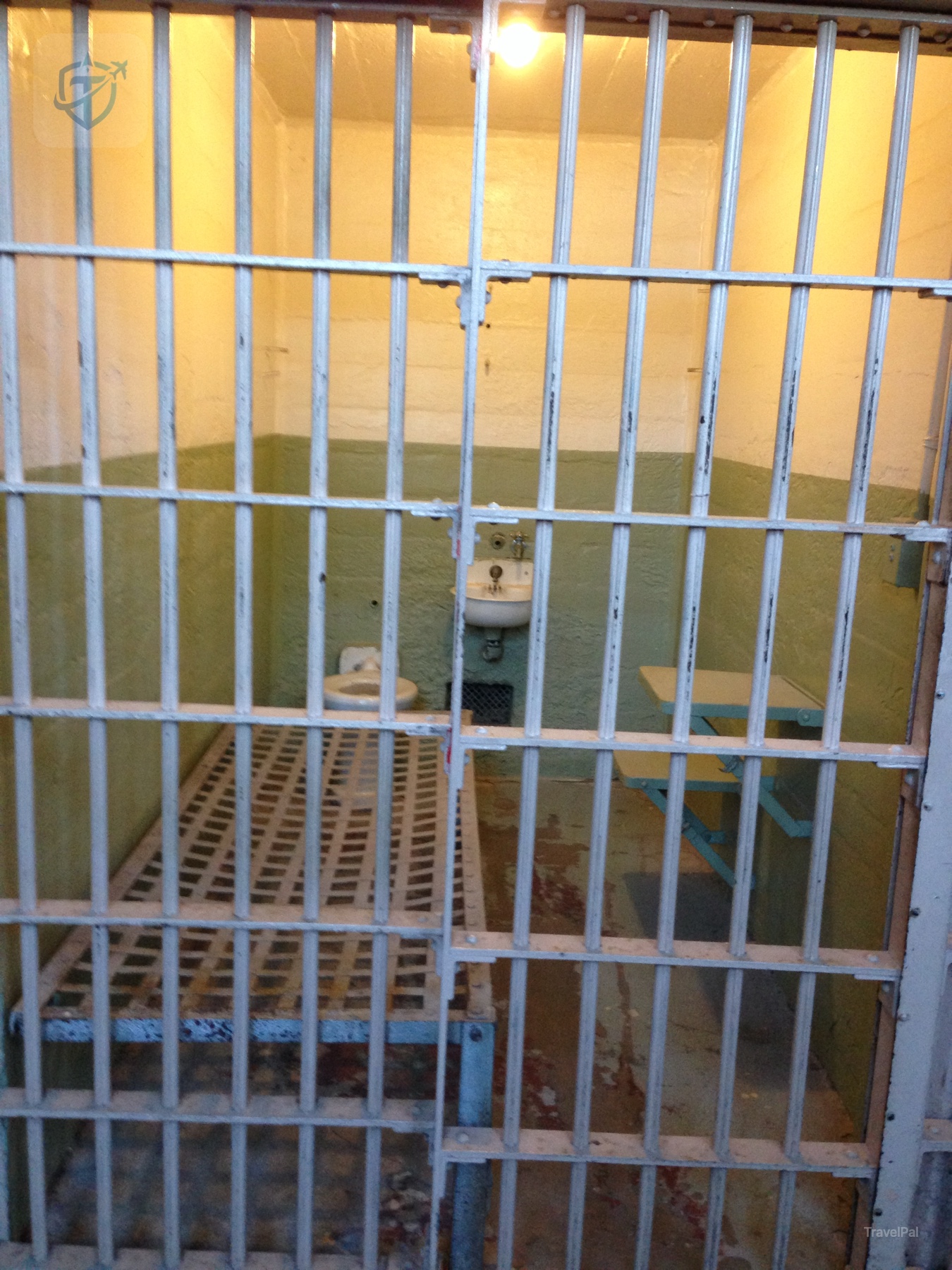
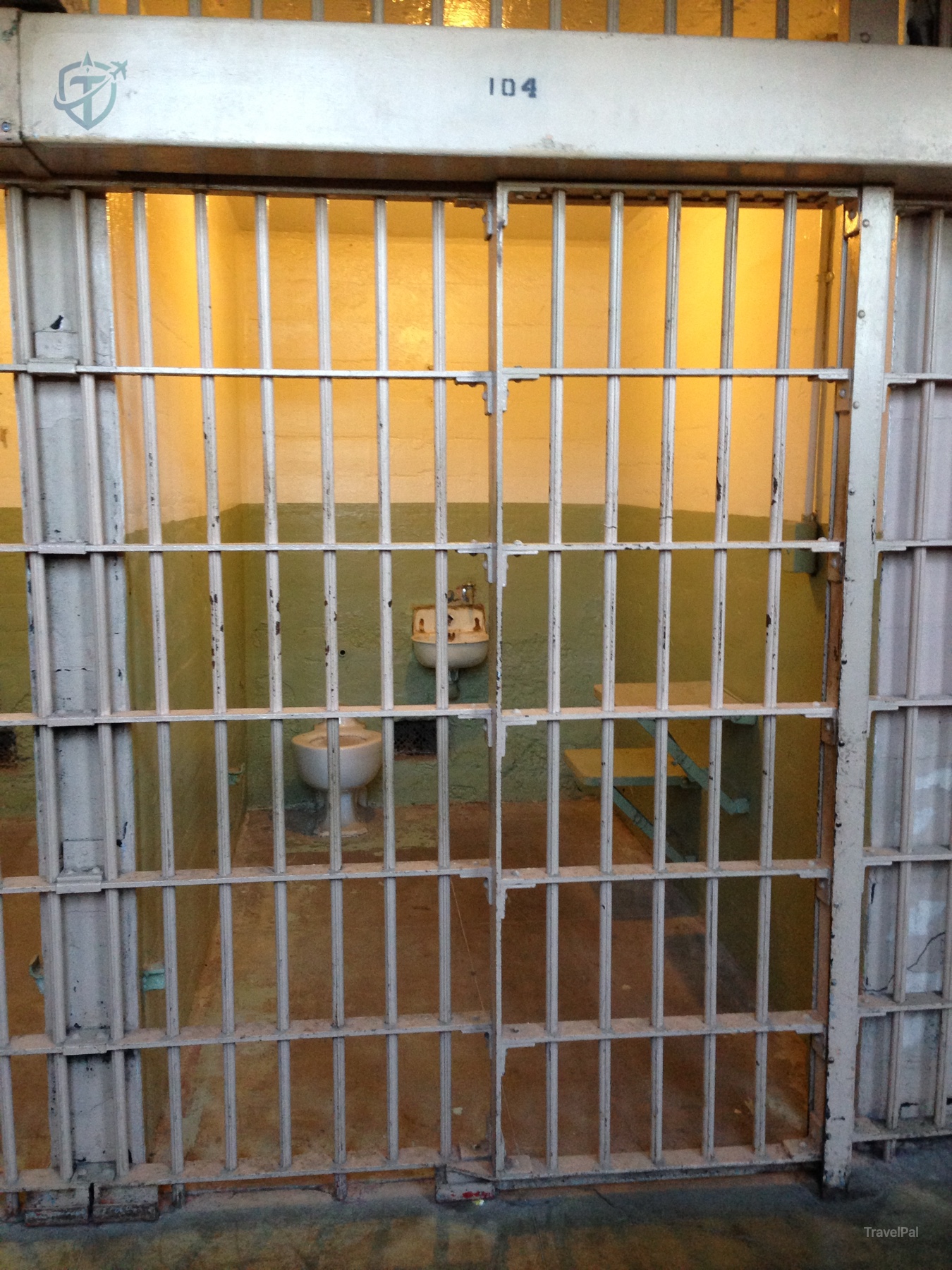
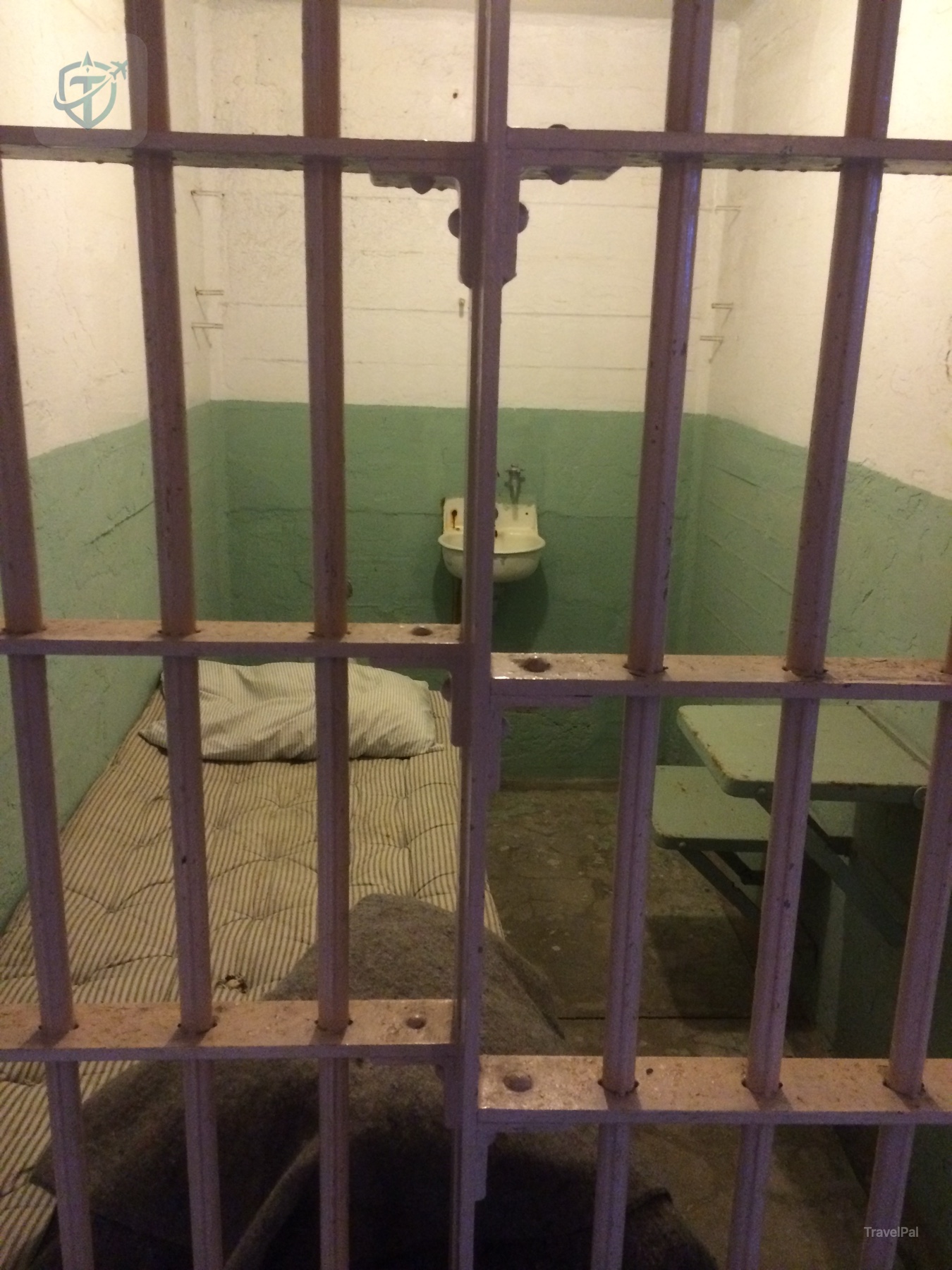
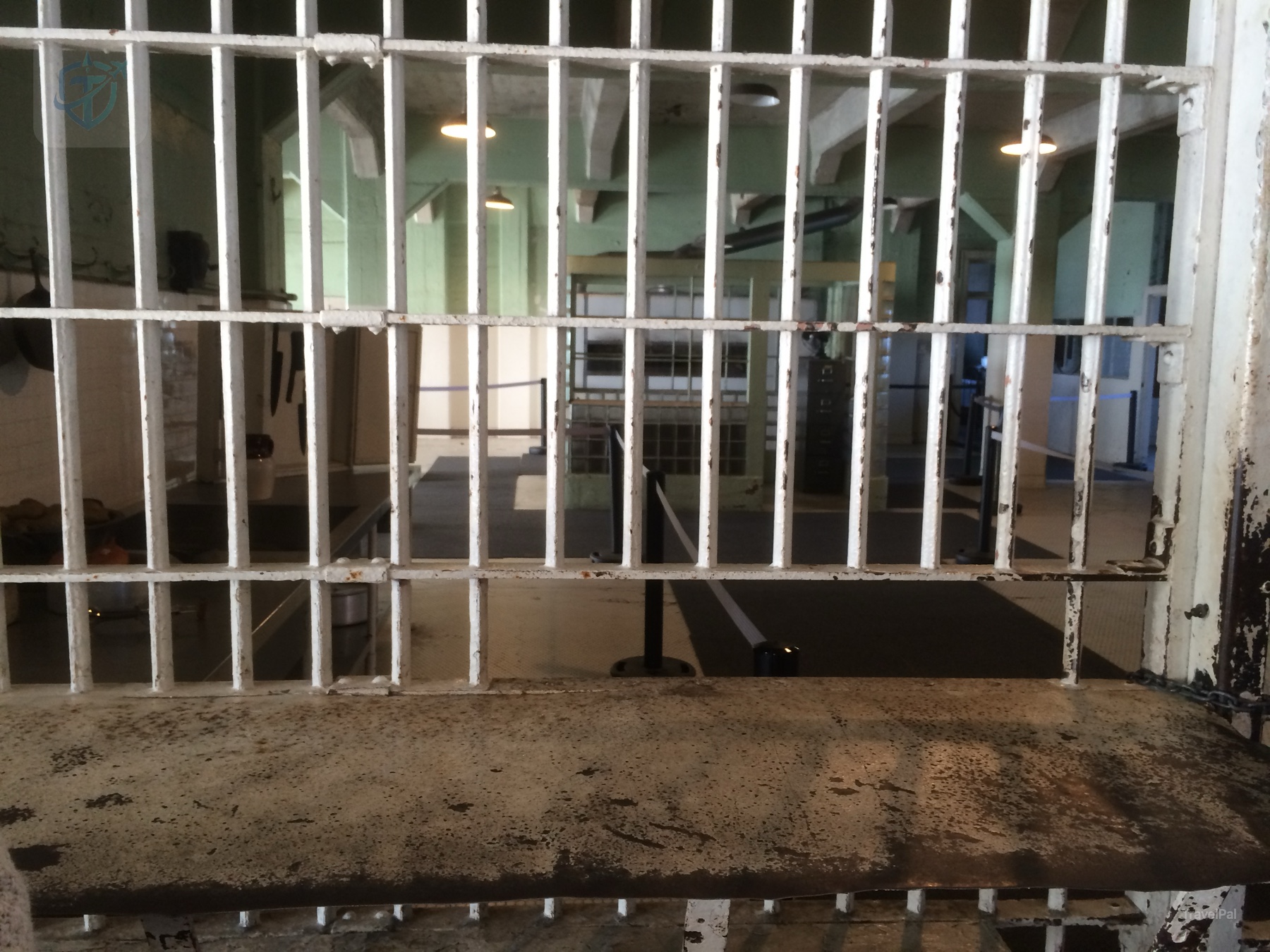
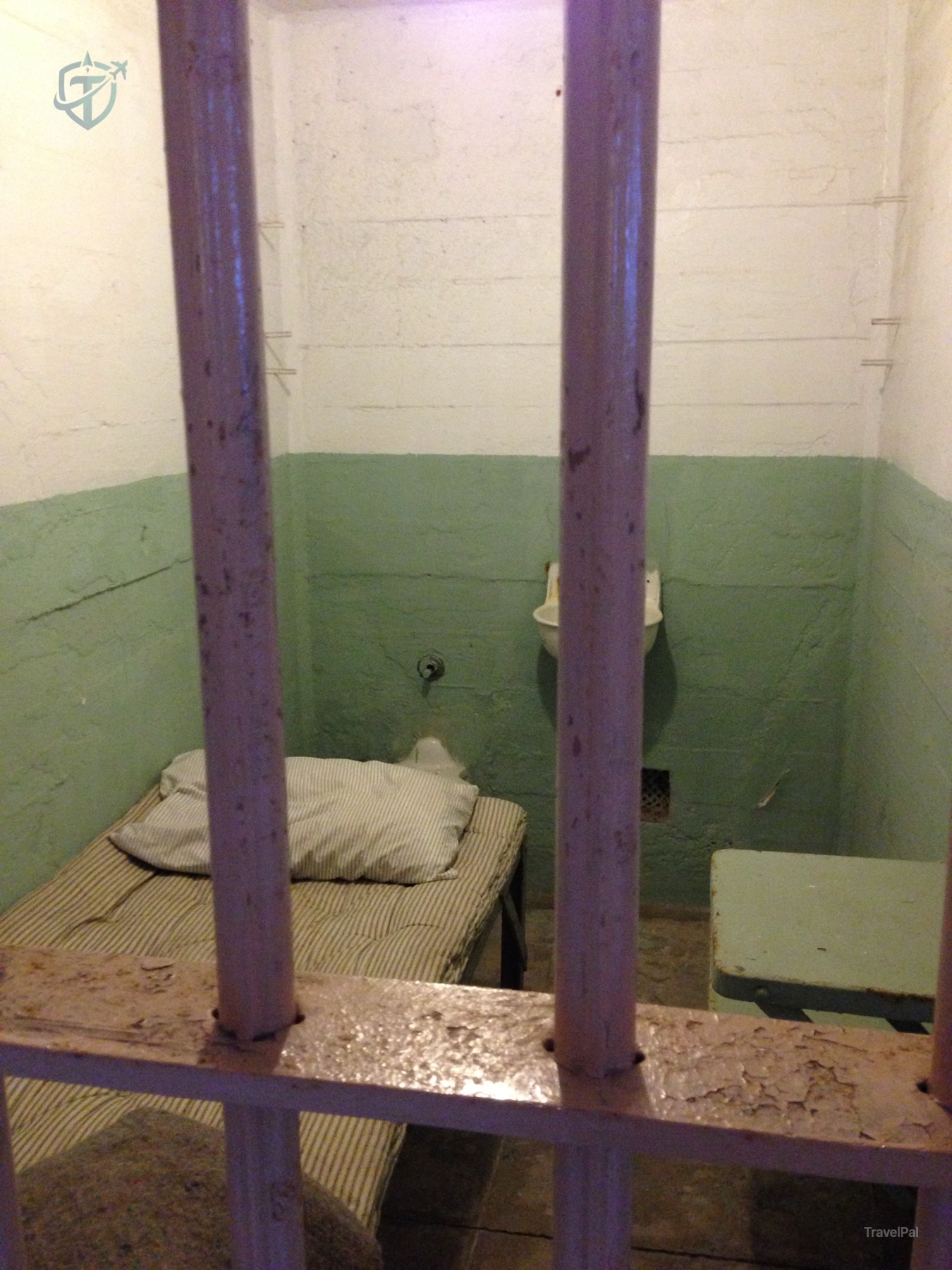
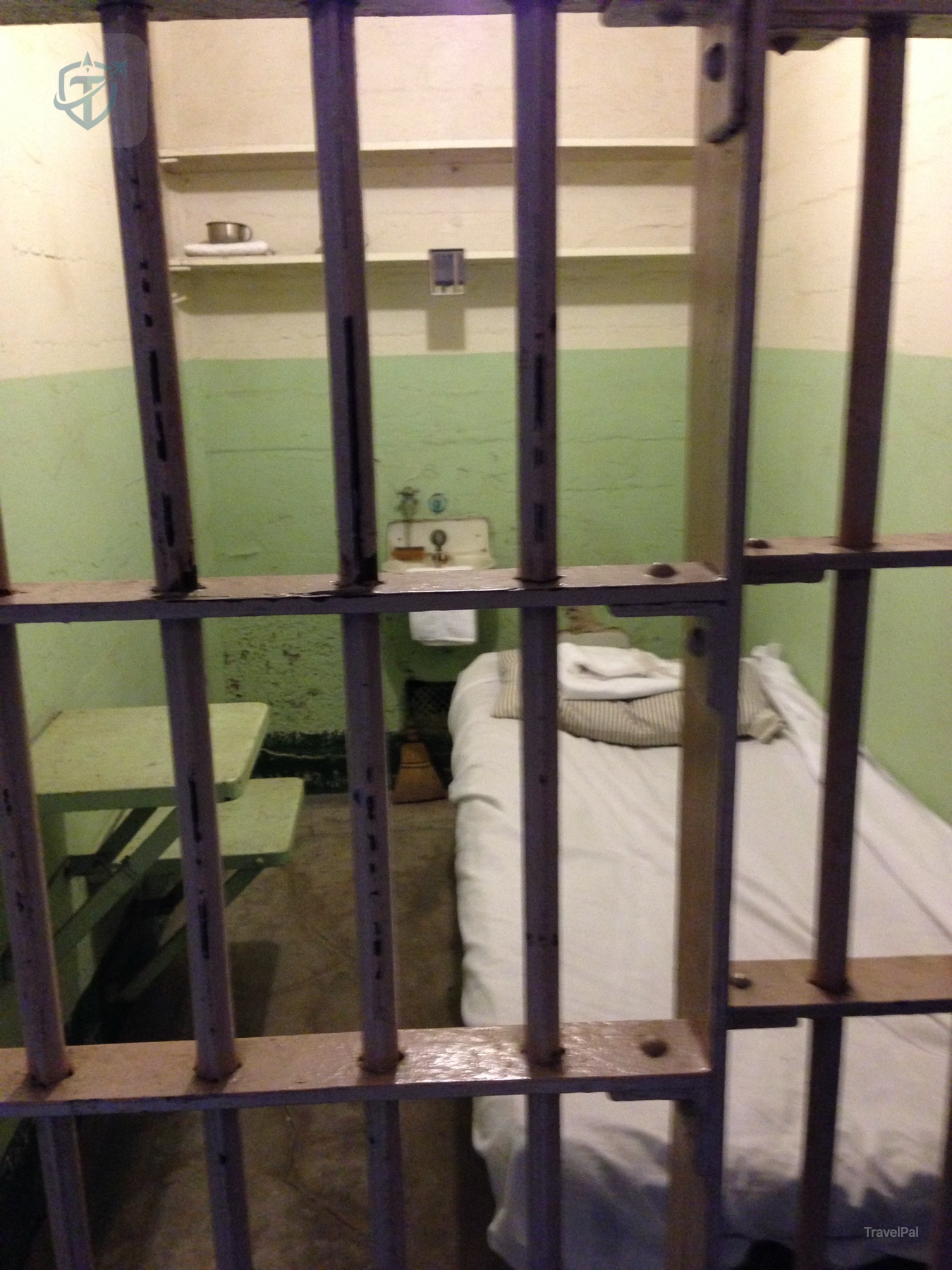
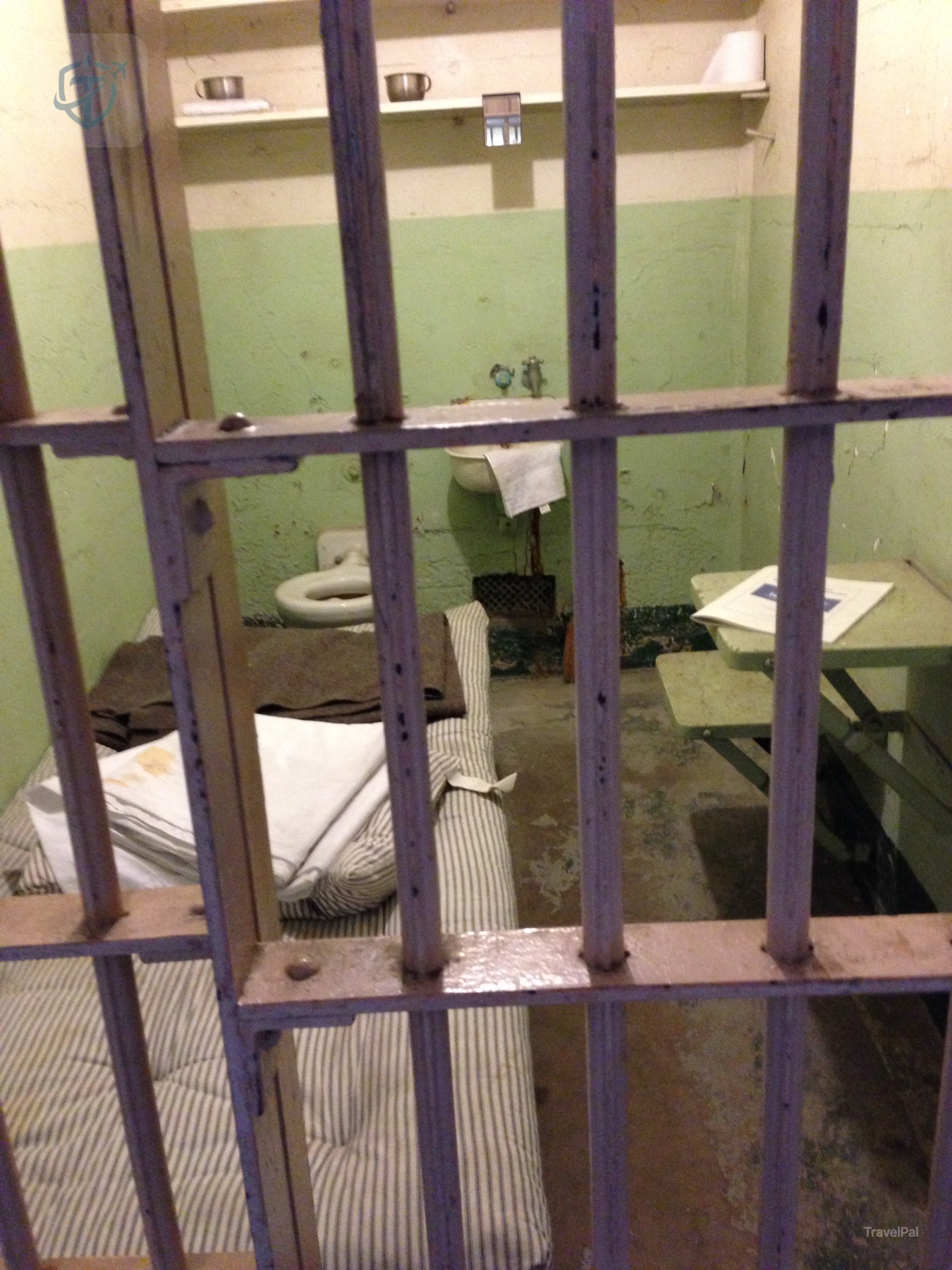
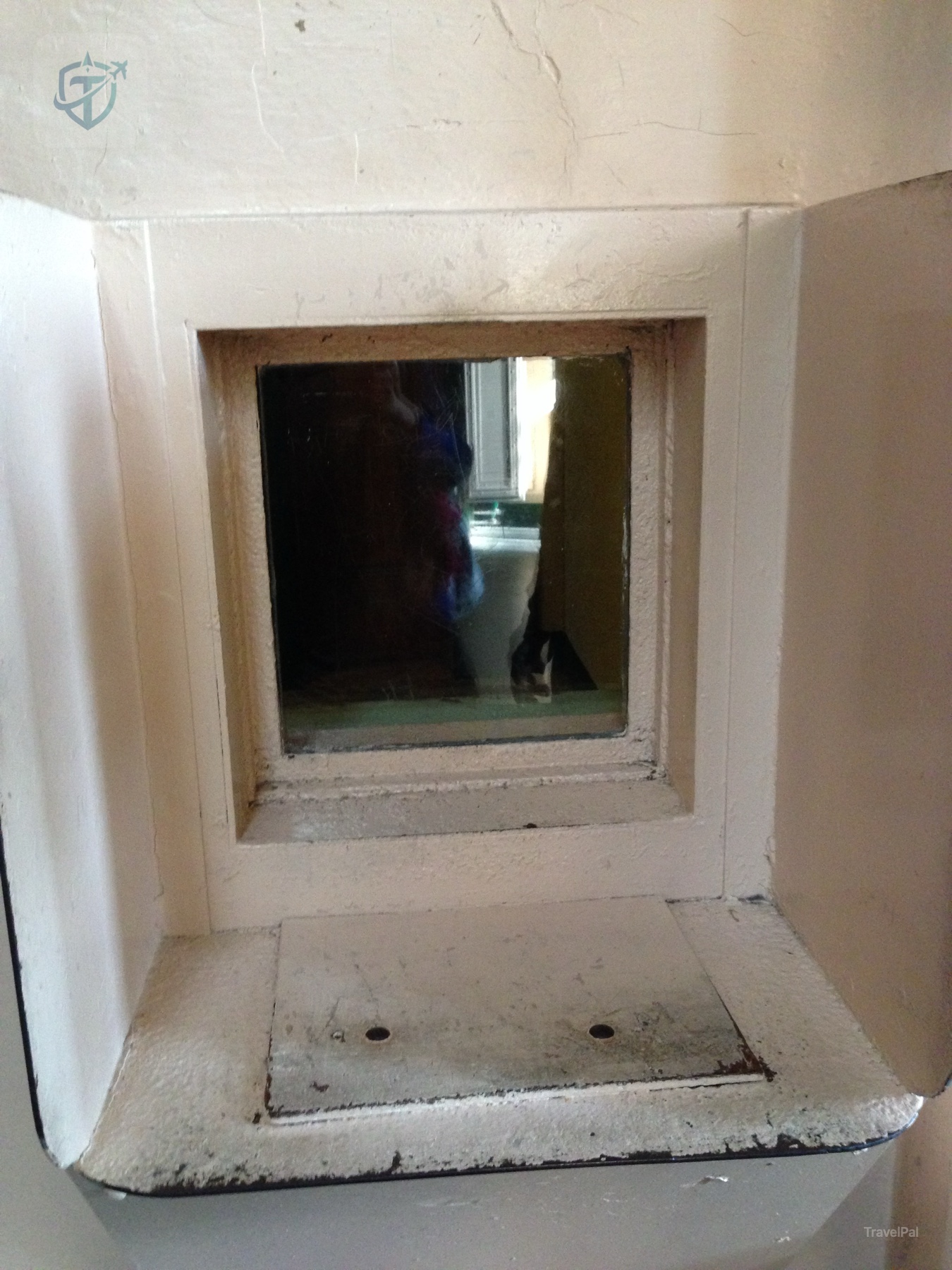
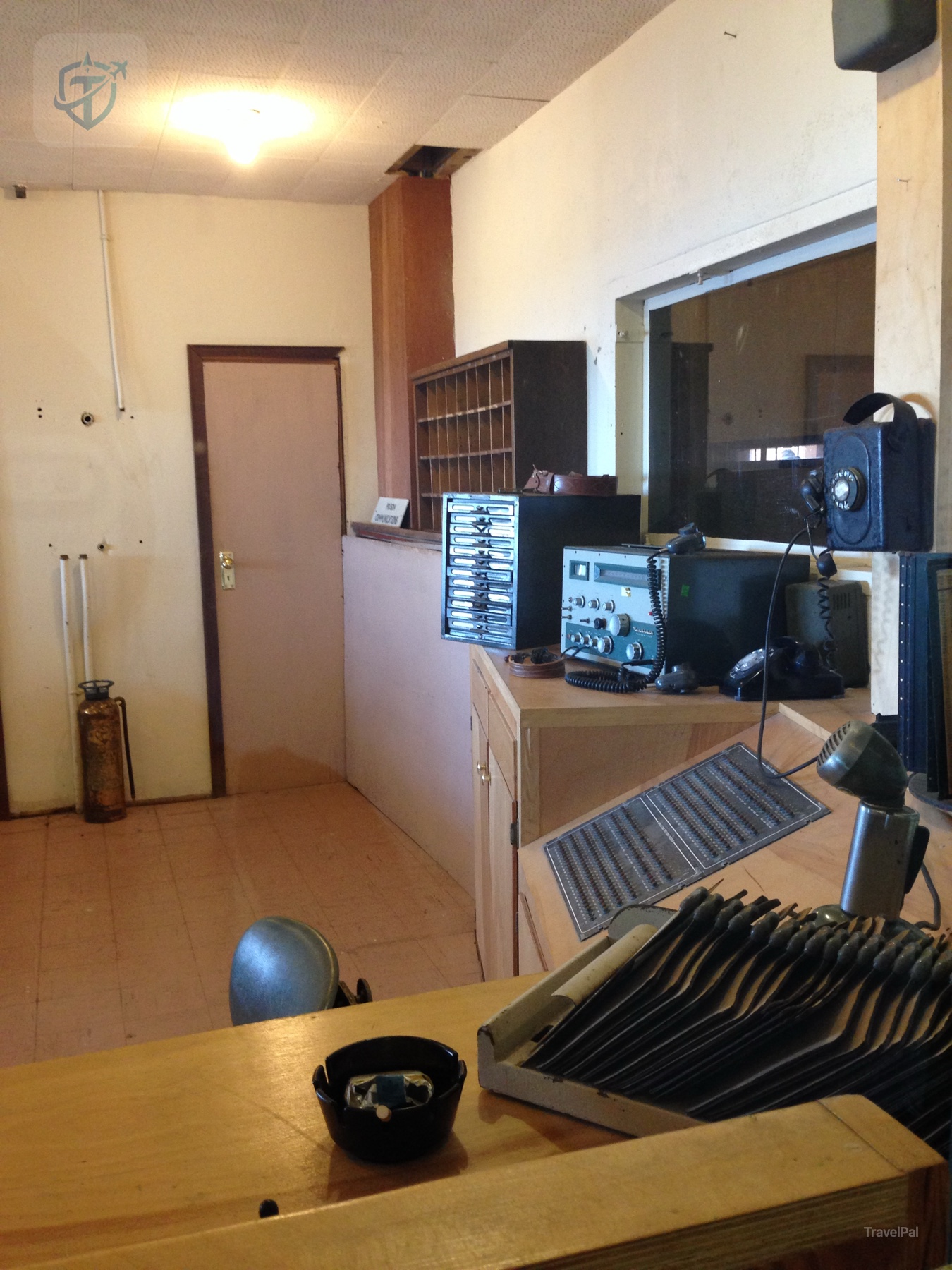
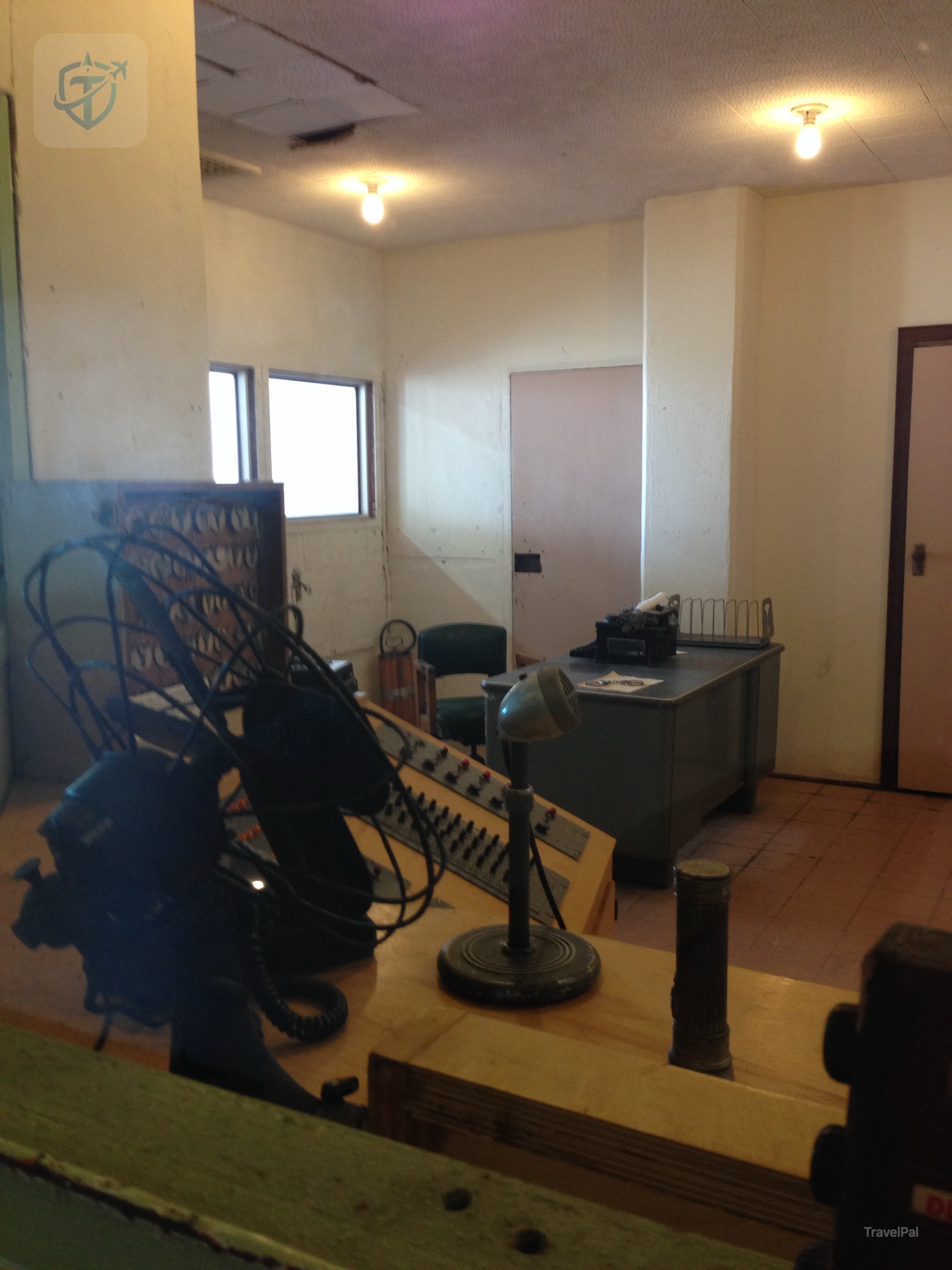
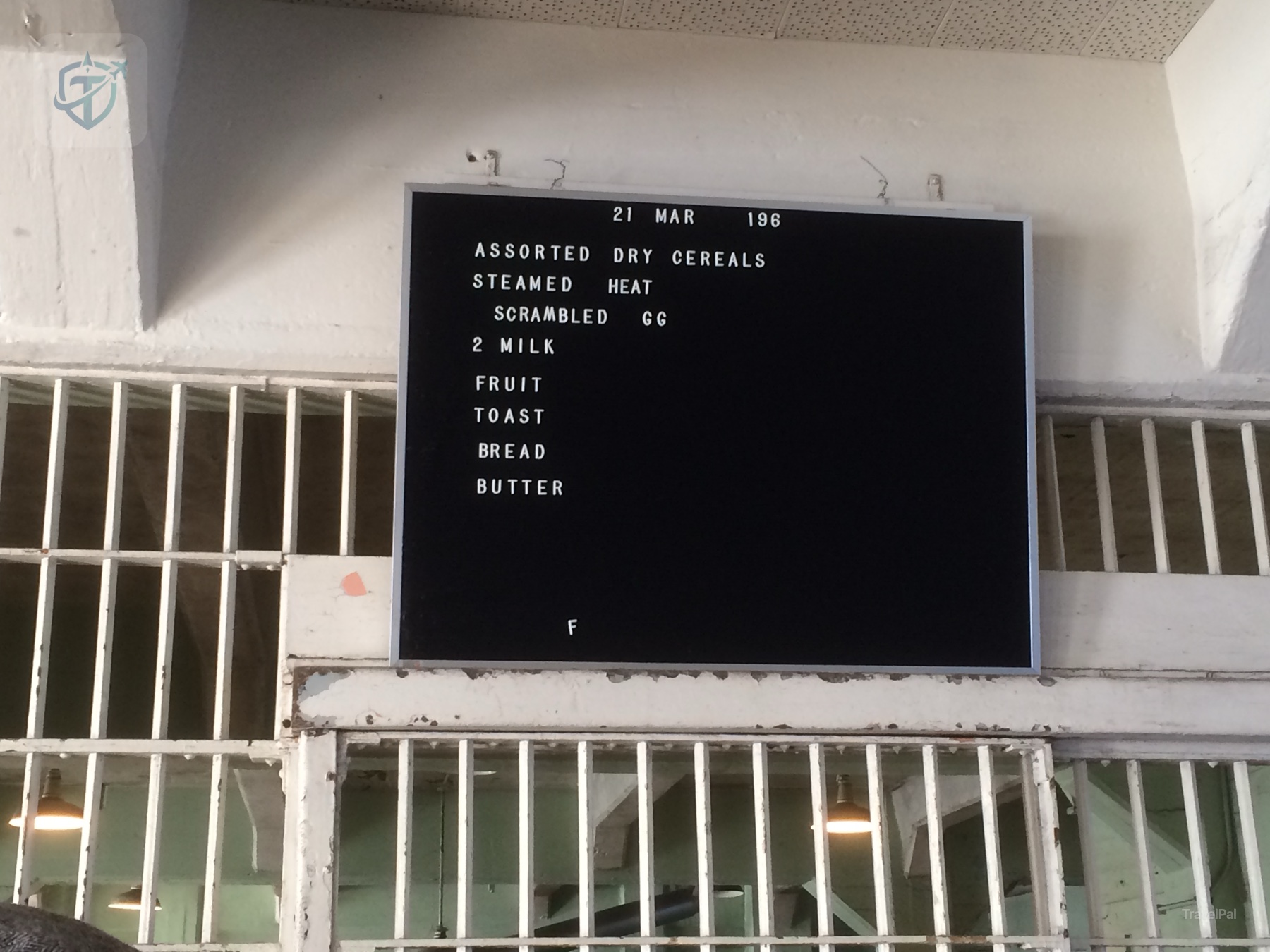
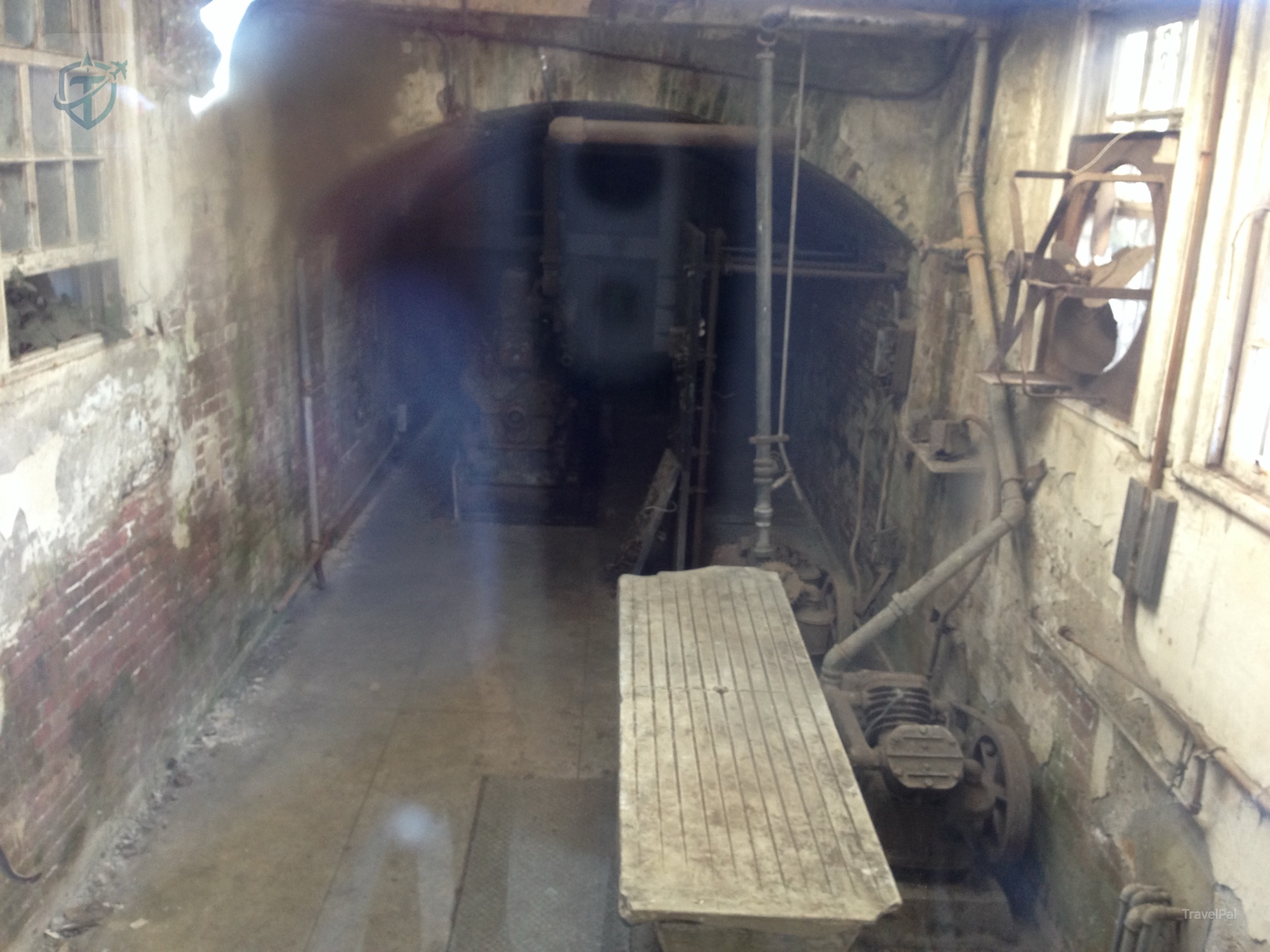
The extra photographs I kept from the visit brought back details I had forgotten: the green-painted cells, a tiny square opening in a wall, the visitation area, and the practical rooms that made the prison operate. Those details are why I prefer seeing Alcatraz in person. A film can explain the famous escape; standing in front of a barred bed or a worn doorway gives the story a different weight.
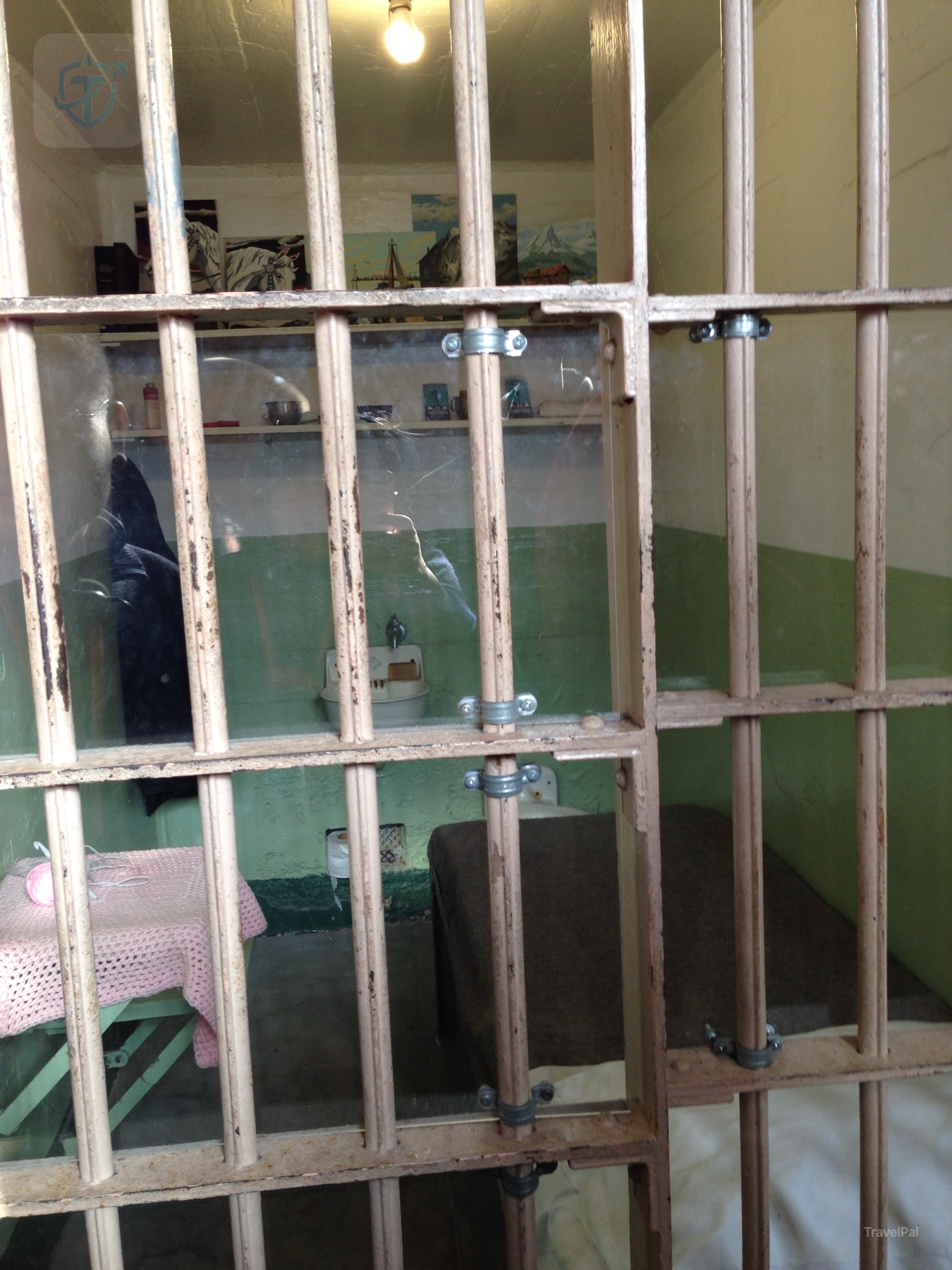
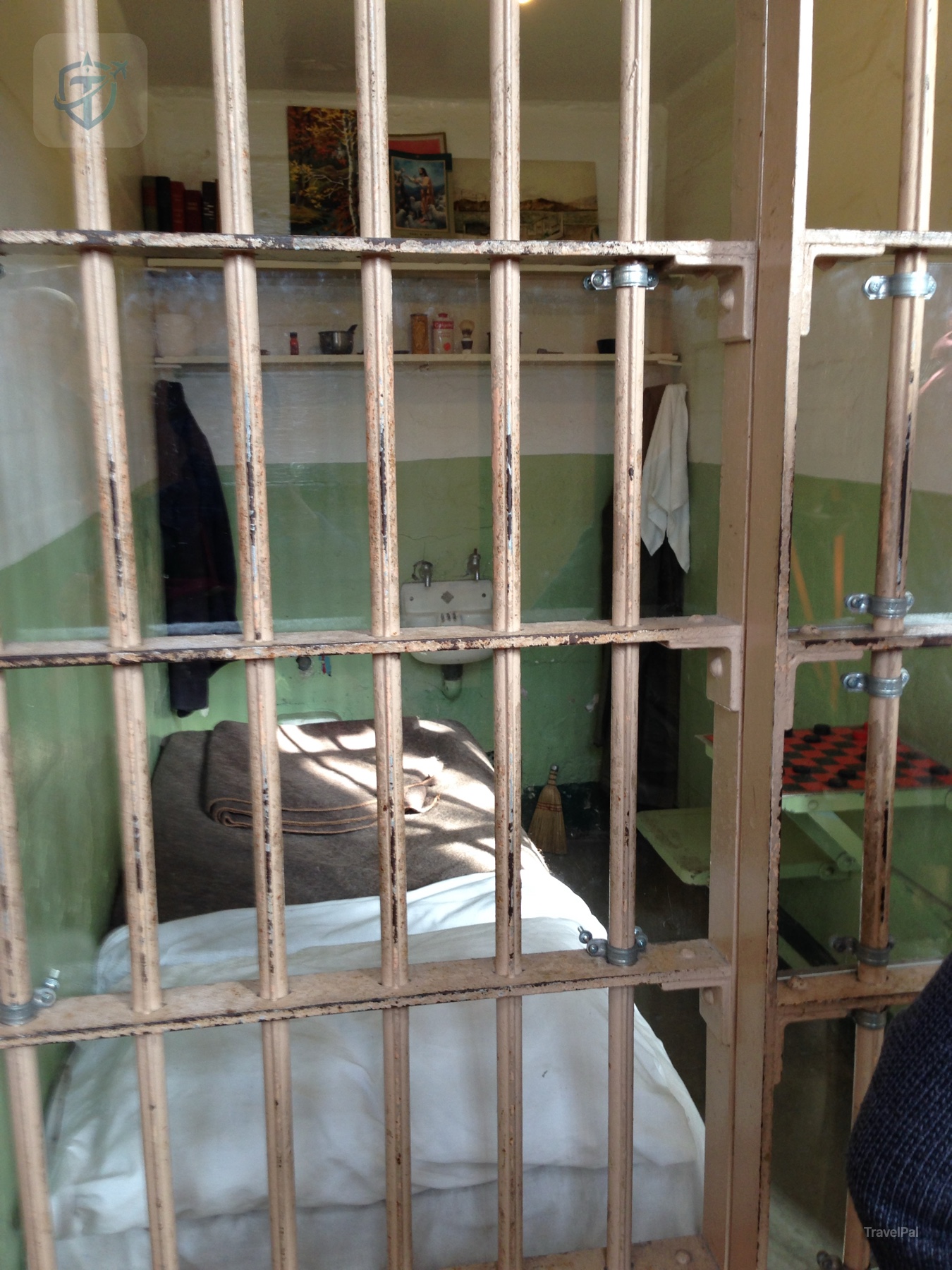
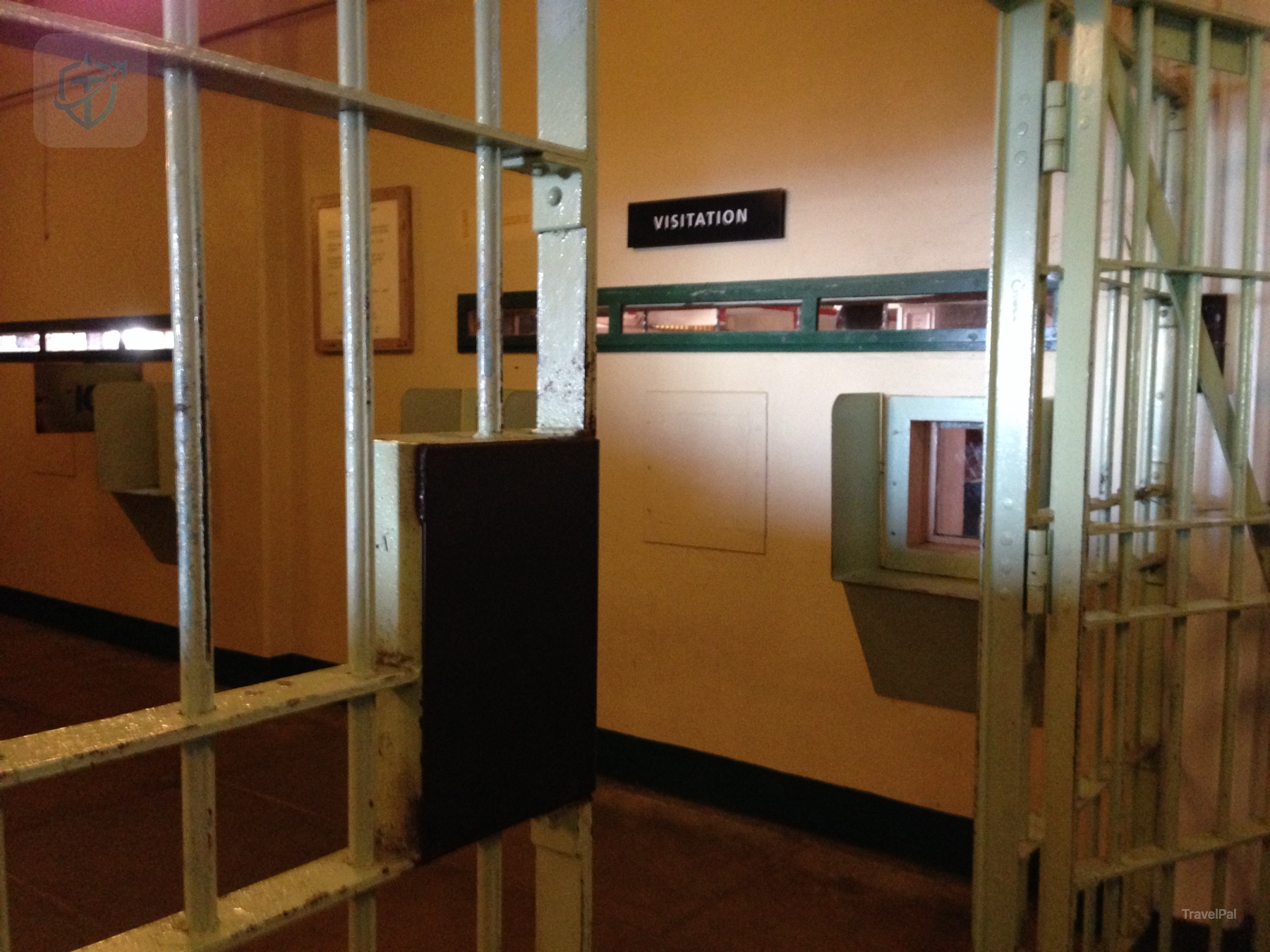
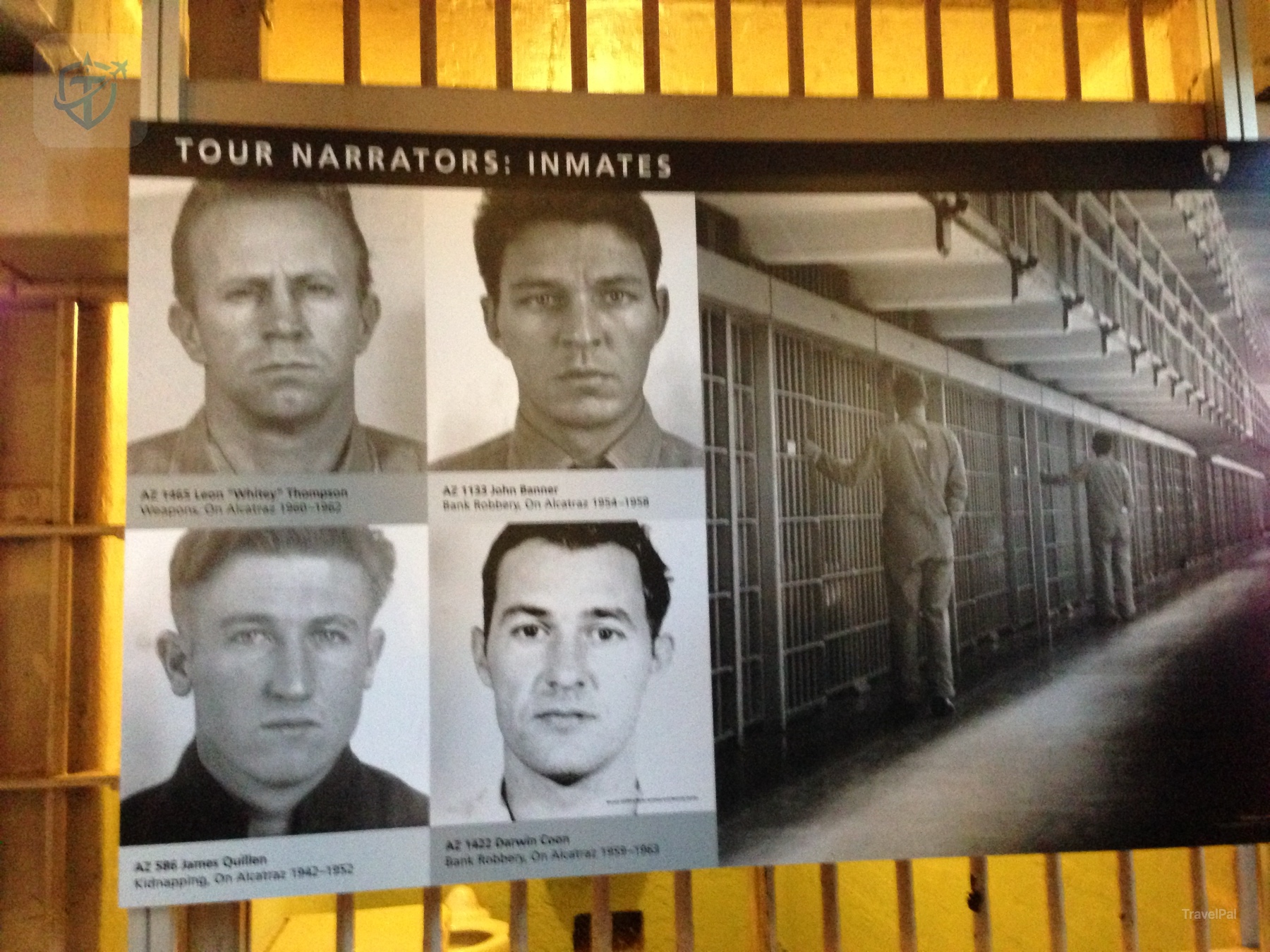
The audio tour helped me stay with the details instead of rushing through the famous names. I could picture the daily schedule, the staff, the arguments, and the small ways people tried to make a life in a place that offered very little freedom.
One escape story, and many other stories
Of course, the escape story is one reason so many people know Alcatraz before they arrive. The National Park Service’s collection describes the 1962 attempt by three inmates who made fake heads from cardboard and human hair and placed them on their pillows to look asleep. Standing among the cells, the story feels less like a movie plot and more like a desperate piece of engineering carried out in a very small room.
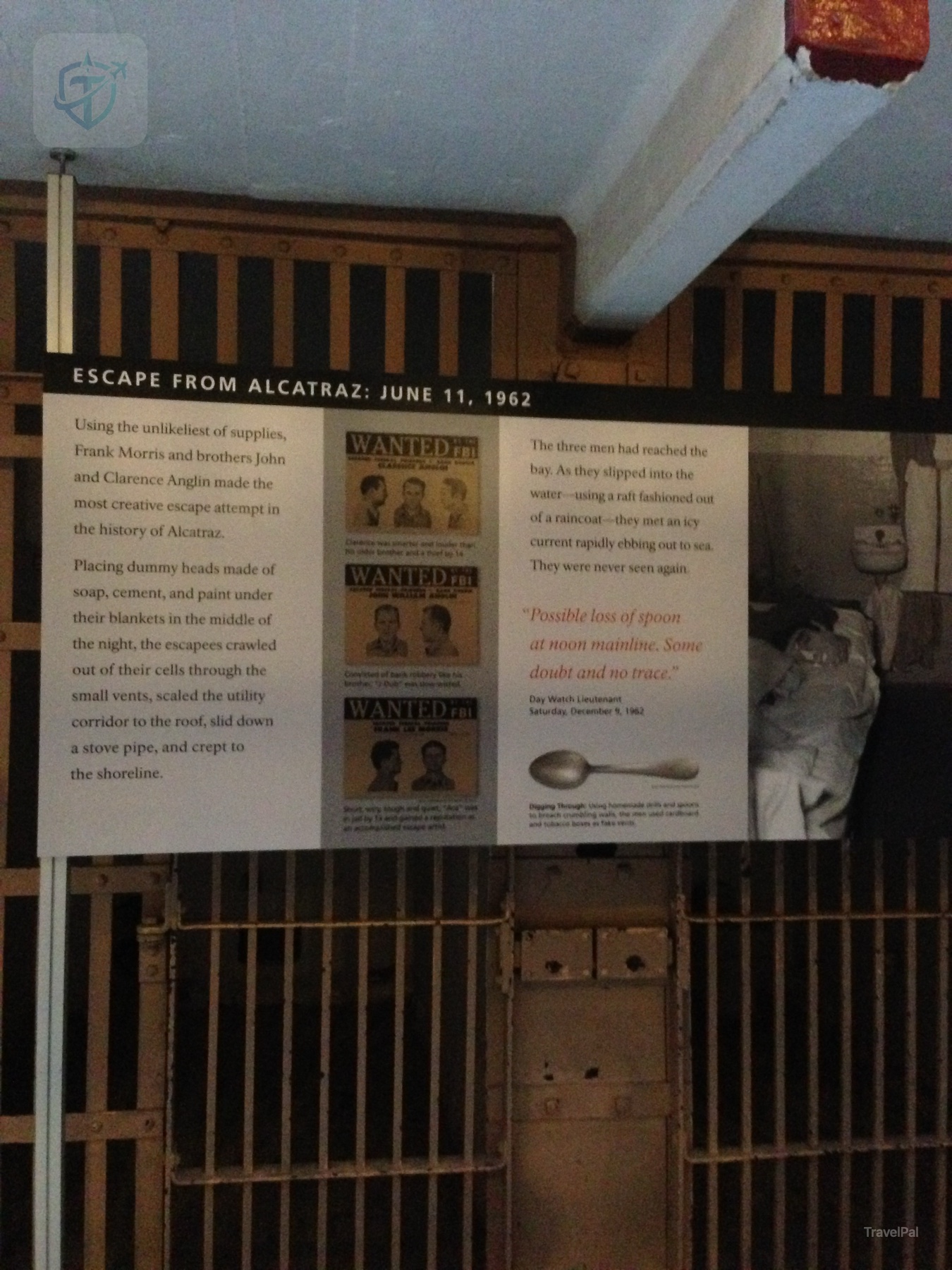
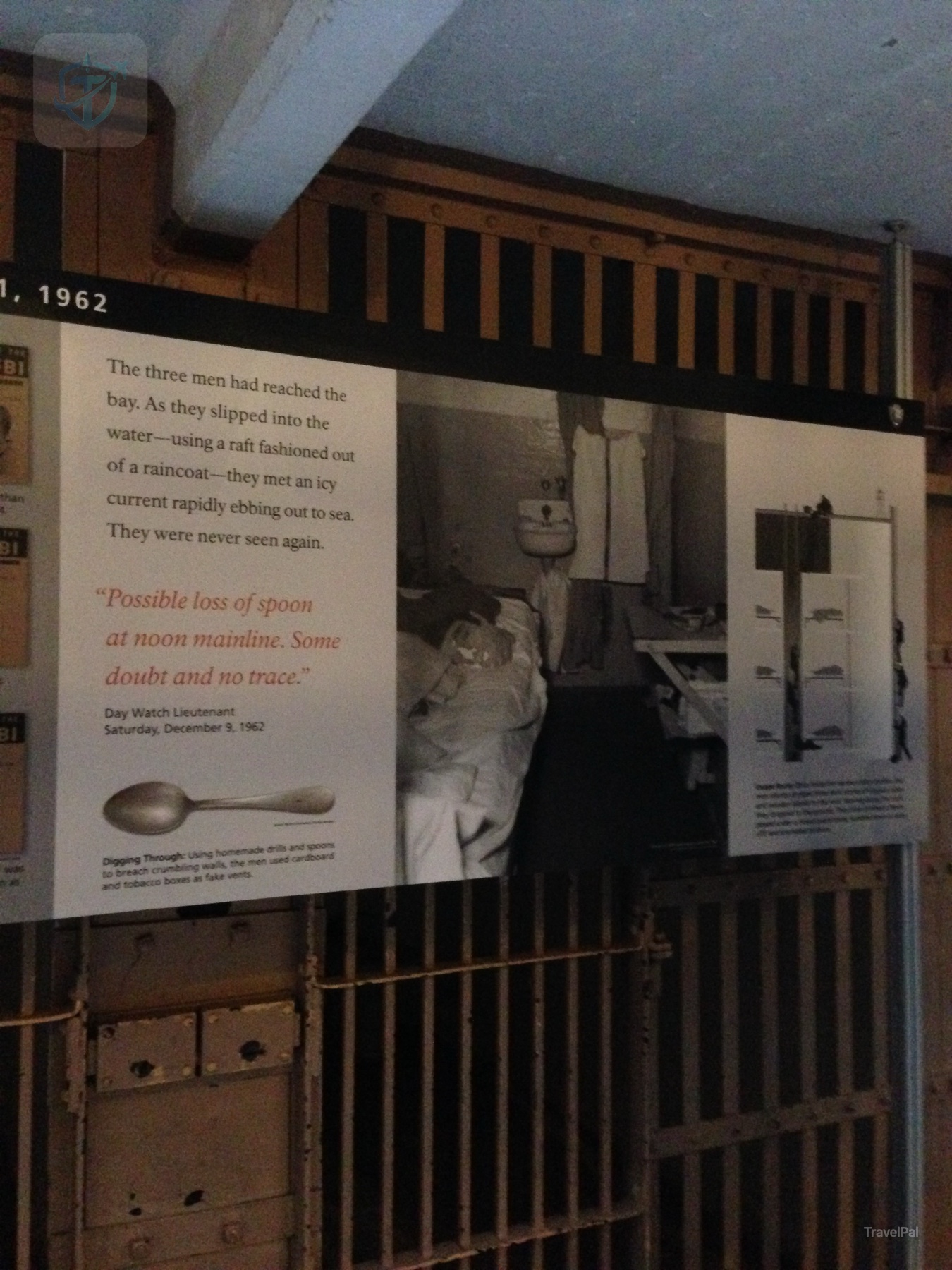
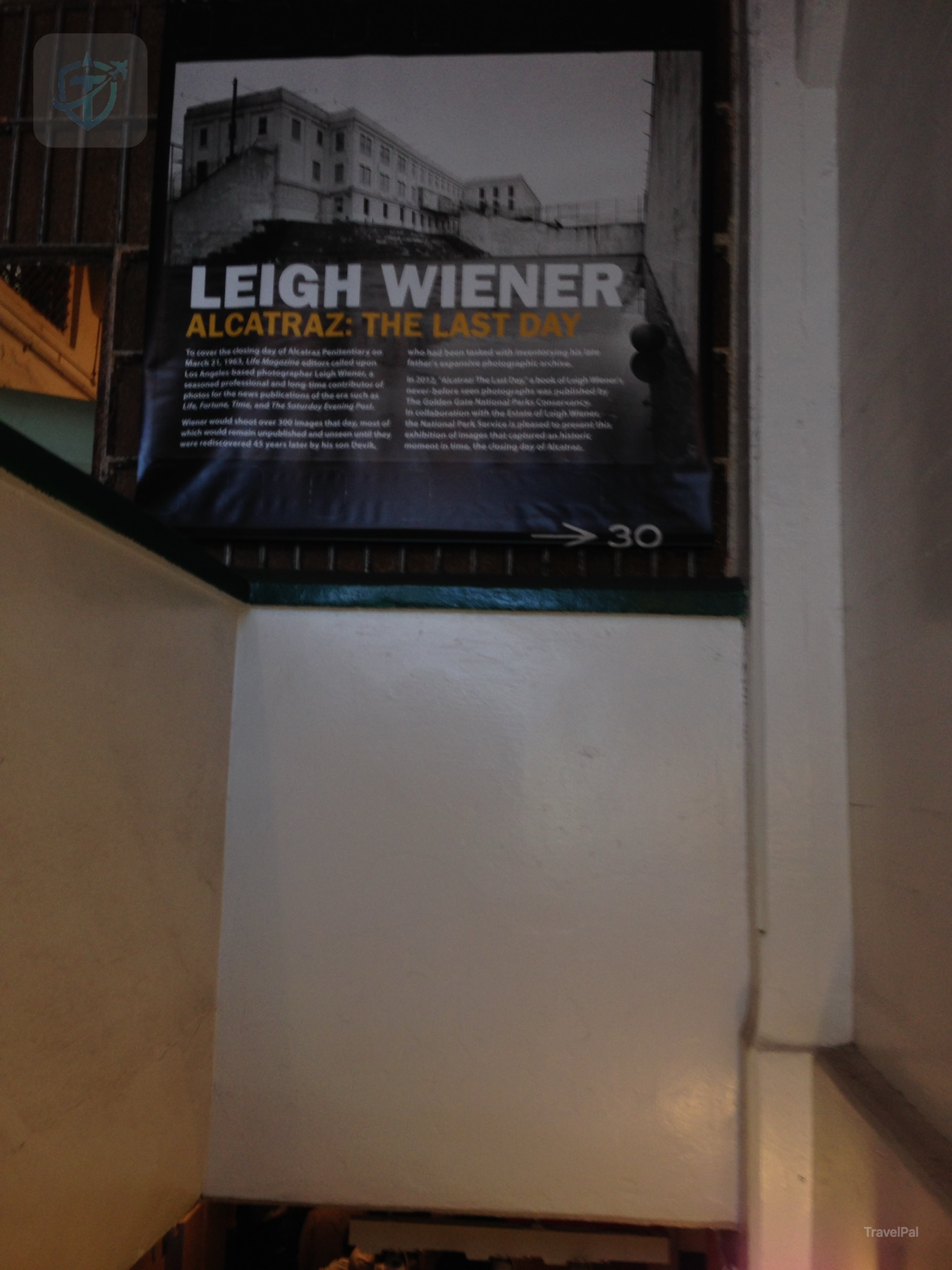
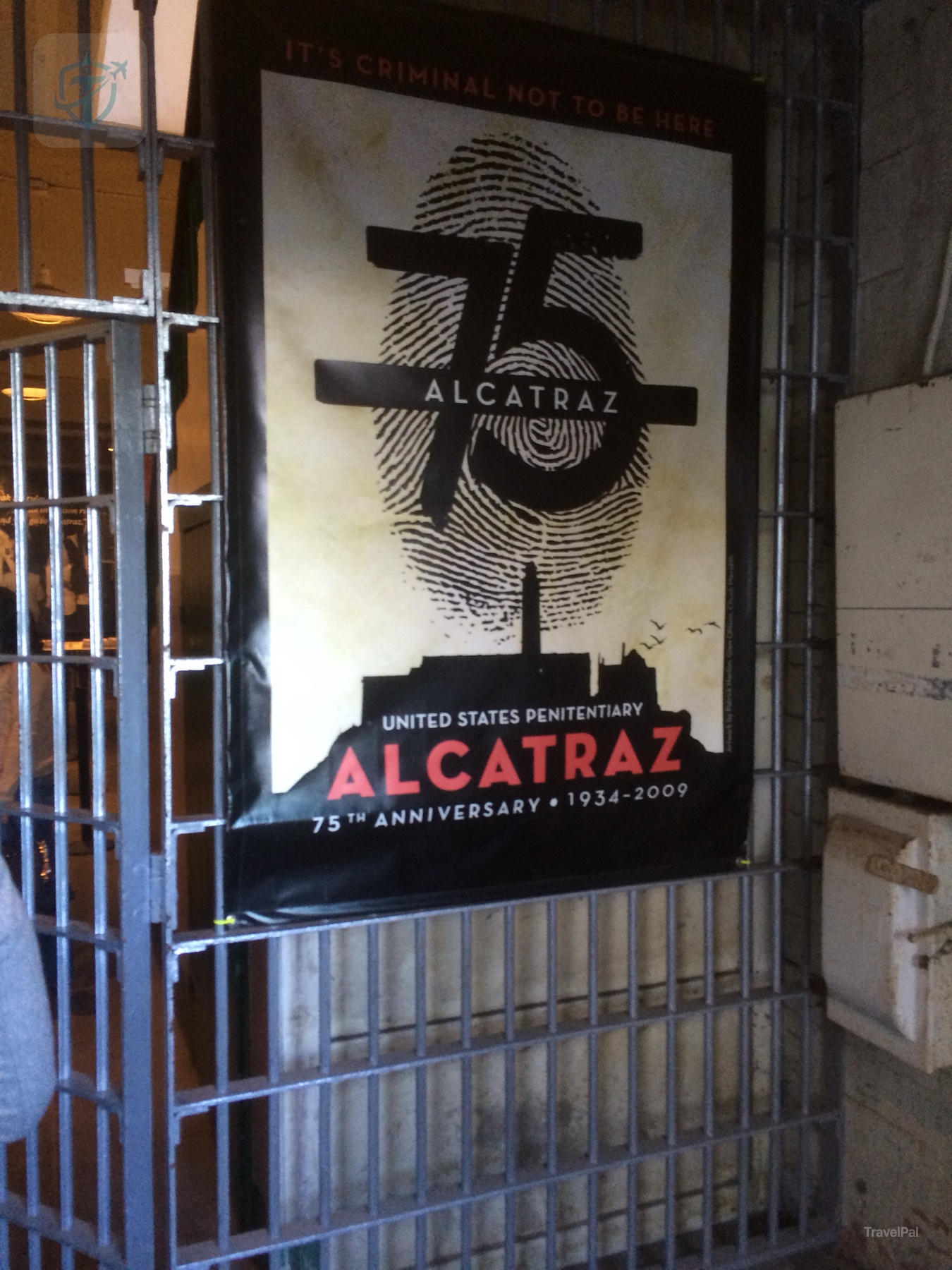
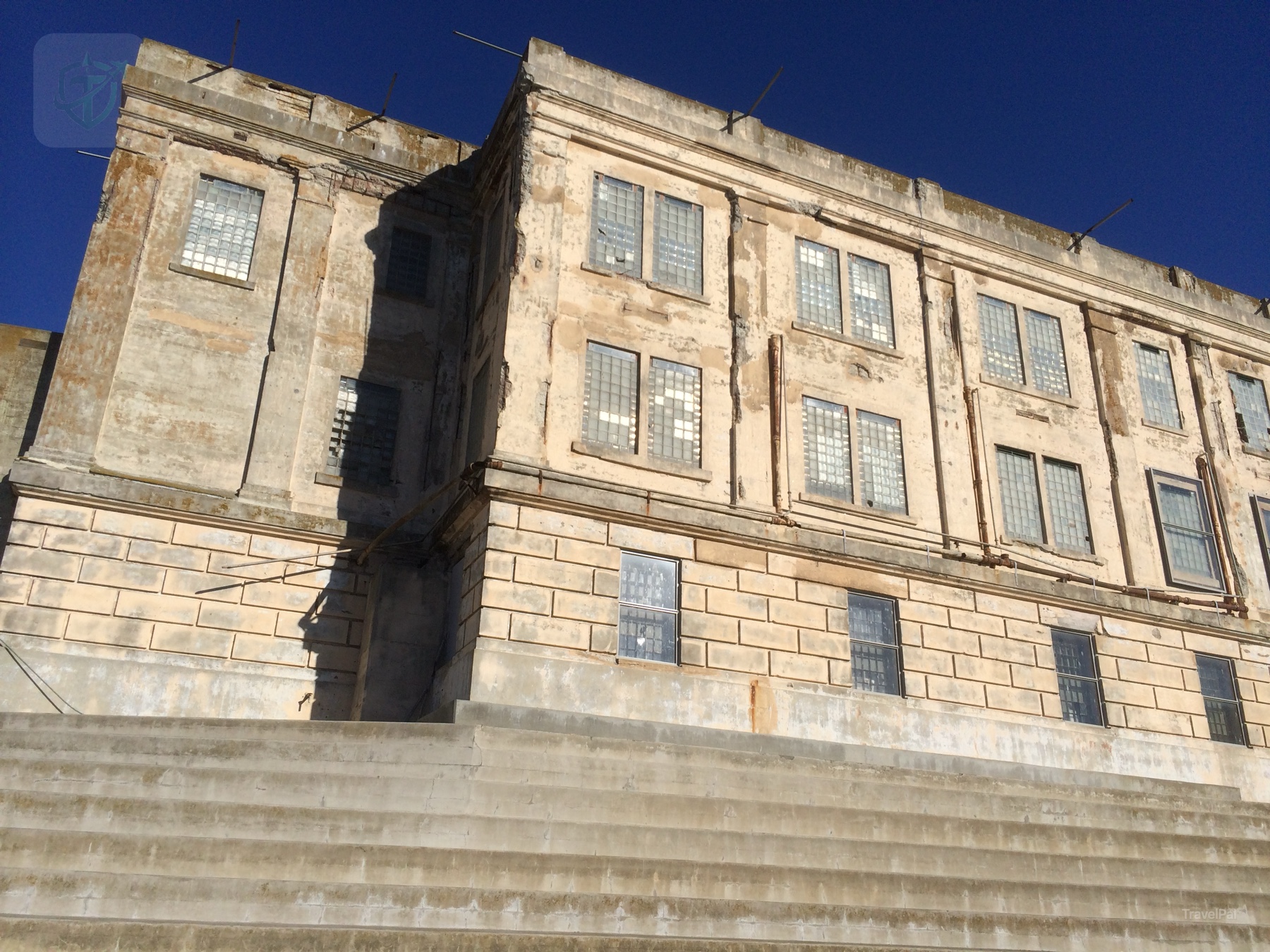
The escape is memorable, but I do not think it should be the whole visit. Alcatraz was a military site, a federal penitentiary from 1934 to 1963, and later the location of the 1969–1971 occupation by Indians of All Tribes. The National Park Service now presents those layers together. That wider story gave me more to think about than the legend of whether anyone made it to shore.

Current planning notes
Tickets and ferry: You must buy a ferry ticket to visit; the National Park Service does not charge a separate island entrance fee. Alcatraz City Cruises is the only NPS-authorized ferry provider and the only operator permitted to dock at the island. The current NPS fee page lists the adult day tour from $47.95, including ferry transportation and the cellhouse audio tour. Prices and schedules change, so check the official fees page and Alcatraz City Cruises before booking.
- Reserve early: NPS strongly recommends advance reservations, and popular departures can sell out weeks ahead in summer and around holidays. Tickets are currently released up to 90 days ahead.
- Allow enough time: NPS recommends at least two to three hours on the island. The cellhouse audio tour is included, and ferries return roughly every half hour; confirm the last departure printed on your ticket.
- Getting to Pier 33: There is no parking at Alcatraz Landing. NPS recommends public transit, including the MUNI F Line. If you drive, use a commercial lot rather than relying on short-term street parking; the official plan-your-visit page lists nearby options.
- Weather and walking: The island can be colder and windier than the city. Bring layers and wear shoes with good grip. The walk from the dock to the cellhouse climbs about 130 feet over roughly a quarter mile; an accessible S.E.A.T. tram is available for visitors who need it.
- Food and programs: There is no meal service on the island, so eat before boarding or bring only what the current rules allow. Check the dock orientation and ranger program schedule when you arrive; programs vary by day and season.
Before you go, review the NPS hours and seasons, things to do, accessibility information, and history and culture guide. Alcatraz is closed on Thanksgiving, Christmas Day, and New Year’s Day, while ferry schedules, exhibits, bird-protection closures, prices, and evening programs can change.
Alcatraz gets an 8/10 from me. The ferry is easy, the setting is beautiful, and the cellhouse gives the history a physical weight that is difficult to get from a book or film. I also appreciated the island’s wider story: military defense, imprisonment, Indigenous activism, preservation, and public memory all occupy the same small piece of rock.
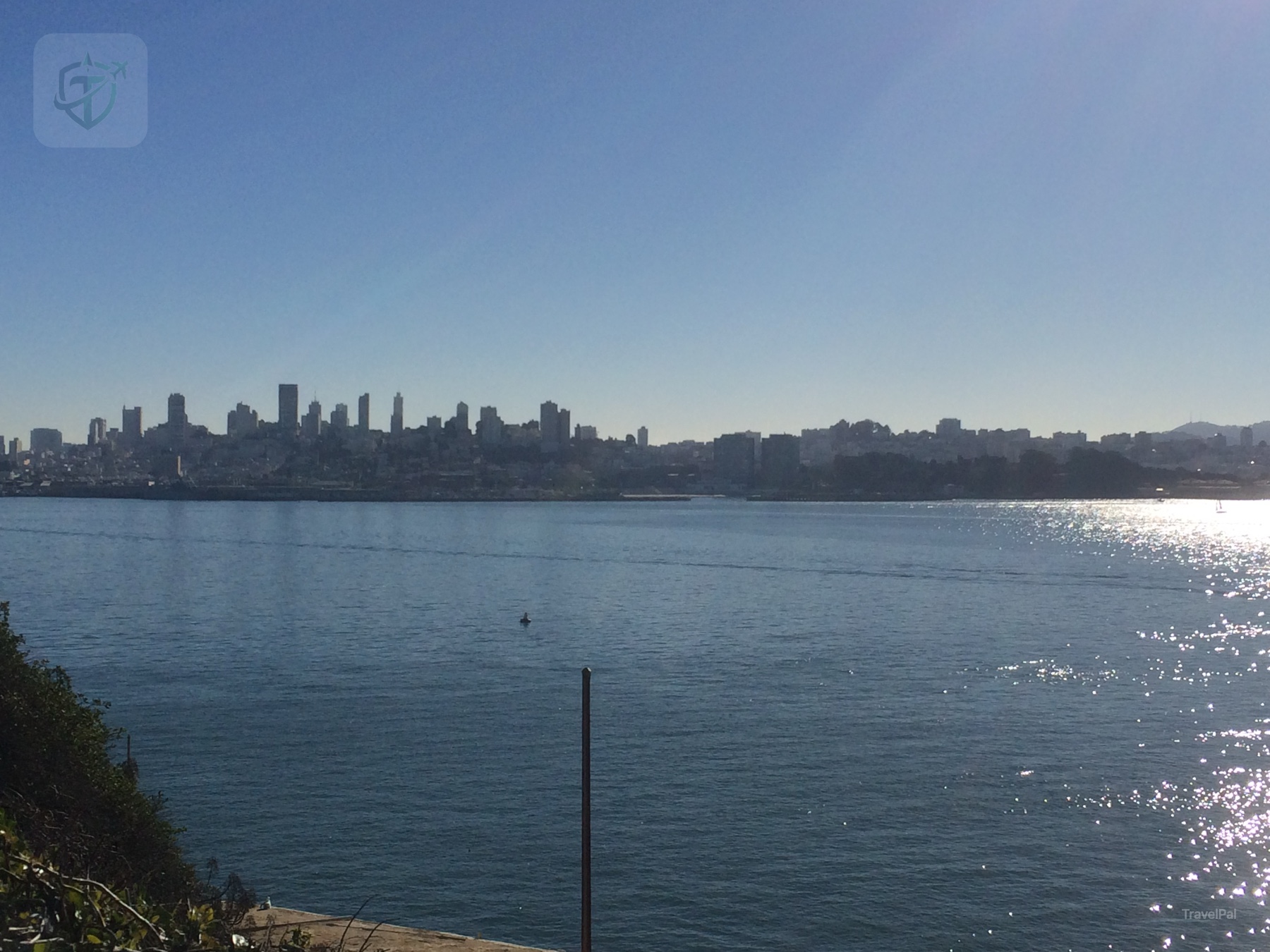
When I looked back toward San Francisco from the island, the city seemed close enough to touch and impossibly far away at the same time. That is Alcatraz’s lasting trick. It makes distance visible. The water-level photograph at the top is the frame I keep returning to: a beautiful island, a hard history, and the Bay holding both in view.
Visitor information checked August 1, 2026. Ferry schedules, ticket prices, hours, exhibits, access routes, weather, closures, and program availability can change; verify current details through the National Park Service and Alcatraz City Cruises before travel. This is a personal account and rating. All photographs and written content on this page are original TravelPal content and are copyright protected.